


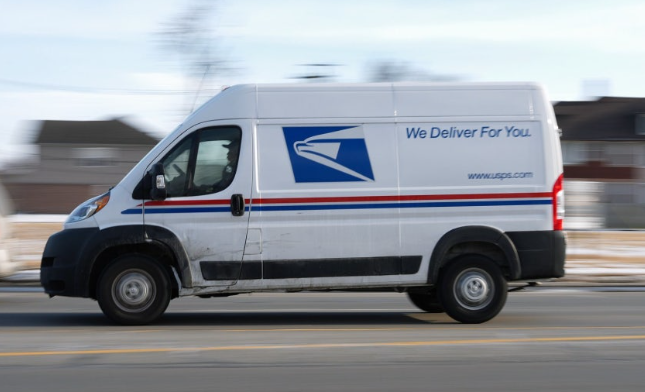
For the first time ever, the U.S. Postal Service (USPS) has decided to charge an oil surcharge on parcels. As international oil prices soar and logistics costs rise, public logistics services are under pressure to raise costs. There are also concerns that the overall cost of logistics is spreading to consumer prices.
According to the Wall Street Journal (WSJ), the USPS plans to charge an additional 8 percent fuel surcharge for all parcel delivery fees from April. It is the first time that the USPS will introduce a separate surcharge for fuel costs. Although the USPS said the move is a short-term response, some predict that it could affect the overall logistics cost structure. The surcharge will only be applied to parcels, not mail, and will be phased out from January next year.
The additional fuel surcharge is a result of soaring diesel prices in the U.S. in the wake of the recent U.S.-Iran war. Diesel prices in the U.S. are up more than 50 percent year-on-year at 5.38 dollars per gallon. Gasoline prices have also soared to nearly 4 dollars on average per gallon from before the war. The fact that the U.S.PS is responsible for transporting large cargoes is also adding fuel costs.
Private U.S. courier companies, including FedEx, are already charging fuel surcharges. Some have raised rates further to reflect the recent surge in oil prices. The longer the war with Iran is prolonged, the more burdens the transportation industry and U.S. consumers are expected to bear.
Meanwhile, the U.S. government has decided to lift environmental restrictions temporarily due to the heavy oil price. The New York Times reported on the day that the U.S. Environmental Protection Agency (EPA) has decided to lift the summer sales limit of E15 gasoline, which contains 15 percent ethanol. The ban was lifted from June to September due to the possibility of worsening the smog.
SAM KIM
US ASIA JOURNAL

