



As the global wave of K-content continues to surge, various aspects of Korean culture are gaining recognition in international markets. Beyond K-pop and K-dramas, “K-snacks” are emerging as a new trend, capturing both the curiosity and taste buds of consumers worldwide. Among them, hodu-gwaja (Korean walnut cakes), a traditional Korean treat, is experiencing a renewed surge in popularity.
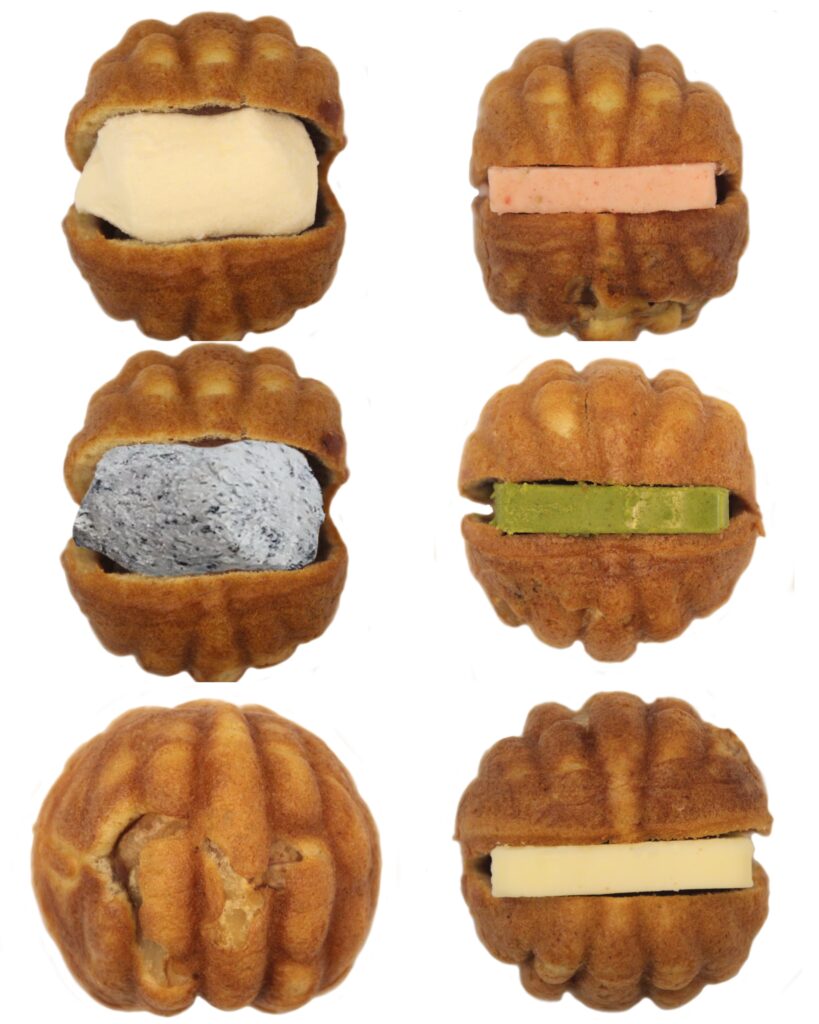
Hodu-gwaja is a classic Korean snack made with soft batter filled with sweet red bean paste and crunchy walnuts. Its bite-sized form, warm and moist texture, and harmonious blend of nuttiness and sweetness make it especially appealing. Long known as a staple snack at highway rest stops, it is now being reinterpreted as a premium dessert, gaining popularity through café-style shops and modern specialty brands.
One of the key reasons behind the widespread love for hodu-gwaja is its approachable flavor. Its mild sweetness and nutty taste make it enjoyable for people of all ages, while its non-overpowering profile allows it to appeal easily to international consumers. Additionally, the comforting warmth of freshly baked walnut cakes and the simple joy they bring add an emotional charm that enhances their appeal.
Amid this trend, Homilhodu has emerged as a standout brand, drawing attention with its distinctive taste and concept. By incorporating rye into traditional walnut cakes, the brand delivers a deeper, more wholesome flavor. Combined with high-quality ingredients and a modern store atmosphere, HomilHodu has become popular among younger consumers and international visitors alike. Its location in the underground shopping area of Seoul Forest Station has also made it a convenient and increasingly popular destination.
The brand’s growing popularity has been further fueled by K-pop stars. Wendy of Red Velvet, under SM Entertainment, is known to enjoy walnut cakes. She personally visited the Homil Hodoo store at Seoul Forest Station, purchased the treats herself, and later gifted them to fans during a concert, creating a heartwarming moment that quickly became a hot topic among fans.
Global artist G-Dragon has also drawn attention for gifting walnut cakes to fans at a fan meeting. Such gestures by internationally recognized artists highlight how hodu-gwaja is evolving beyond a simple street snack into a cultural symbol representing Korea.
These shared experiences between artists and fans go beyond mere consumption—they become moments of cultural connection. Fans are naturally drawn to try the foods their favorite stars enjoy, which in turn fuels interest in K-snacks. HomilHodu, in particular, is rapidly growing as a “must-try” brand within this trend.

Today, hodu-gwaja is considered one of the must-try snacks for international tourists visiting Korea and is also gaining popularity as a gift item. Its portability and universally appealing taste give it strong potential in the global market.
As the globalization of K-snacks continues, Homilhodu is presenting a new direction by blending tradition with modern sensibilities. Though small in size, each bite carries the warmth and story of Korean culture. At the center of this movement, Homilhodu continues to play a key role in sharing the flavors and emotions of Korea with the world.

▲ Bioexpress.co.,ltd
▲ Hodu-gwaja (Korean walnut cakes)
▲ CEO Kim Byung Chan
▲ na7142@naver.com
SALLY LEE
US ASIA JOURNAL

