


As AI is proven to be effective in the Iranian war, it is interpreted as a move to expand the scope of its application to all military operations.
According to an internal letter obtained by Reuters, the U.S. Department of Defense plans to designate “Maven Smart System” as an official business by August this fiscal year. In a letter to key commanders on the 9th of this month, U.S. Deputy Defense Secretary Steve Feinberg stressed that “the introduction of the Palantir Maven system will provide the latest tools for enemy detection, deterrence and suppression in all areas.”
MSS is a military decision-making system that uses AI to set targets and help logistics operations. As it collects and analyzes vast amounts of data to identify and prioritize targets, it greatly reduces the time and manpower required for operations. The U.S. attacked 1,000 targets in 24 hours during its first attack on Iran with the help of MSS.
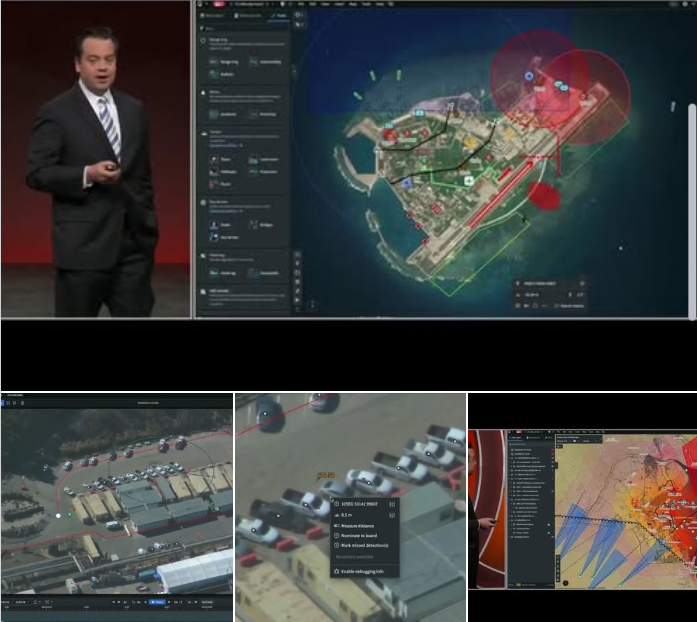
The AI analysis company Palantir built the MSS. In 2024, the Pentagon signed a $480 million MSS contract with Palantir. Palantir also signed an agreement with Anthropic to integrate Anthropic AI model Claude into Maven.
In the meantime, the Ministry of Defense has been operating MSS by signing contracts in the short term, but budget issues and other obstacles have been the problem. The Ministry of Defense raised the contract limit to $1.3 billion in May 2025 after Fallonteer requested additional funding from the House Armed Services Committee. Reuters evaluated the official designation of Maven as “a measure that solidifies the will to use Fallonteer’s weapons-targeting technology throughout the U.S. military in the long term.”
However, confusion is expected as Claude is still playing a key role in MSS despite the Ministry of National Defense’s order to expel him. The Ministry of National Defense has signed a contract with OpenAI and Grocer to expel Anthrax, which refuses to use unrestricted military AI, but it is expected to take months to replace him. Alex Carp, CEO of Palantir, also said in a recent interview that Claude is still in use.
SAM KIM
US ASIA JOURNAL

