


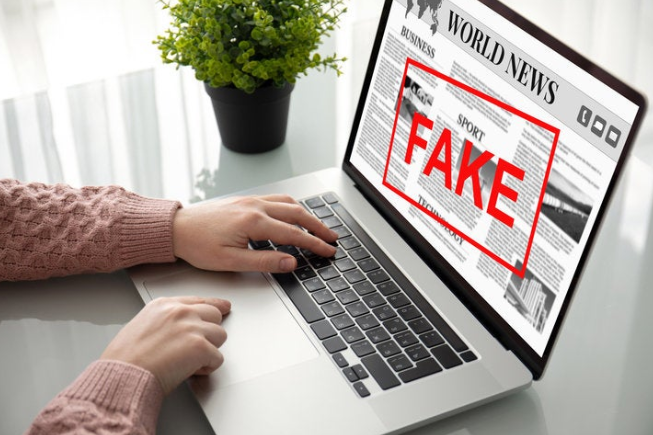
Fake videos generated by false information and artificial intelligence (AI) have spread through social networking services (SNS) since the U.S. airstrikes on Iran, and social networking companies have launched a crackdown on war-related content. In fact, rumors of the death of Hollywood great director Quentin Tarantino have been circulated as false news online recently, and fake AI videos such as the airstrikes taken from the point of view of a soldier’s helmet camera have been posted on X and TikTok.
“If you don’t disclose the AI production when you post an AI-generated video dealing with an armed conflict, you will be kicked out of the advertising revenue sharing program for 90 days,” said Nikita Beer, head of X’s product, through her X account. “If caught again, you will be permanently expelled from the program.” The move is aimed at preventing those who want to monetize with provocative fake videos related to Iranian airstrikes. He also said it will temporarily activate a function that allows users living in the Middle East, including Egypt, Iran, Israel, and Saudi Arabia, to check only content related to Iranian airstrikes separately.
Meta, the operator of Facebook and Instagram, previously said it would form a committee to deal with AI-generated content in connection with the conflict in November last year, when the dispute between Israel and Iran was deepening. At the time, Meta said it would apply different standards from the existing deliberation standards, such as videos that cause physical harm and videos that directly interfere with the political process. Meta said, “We will censor AI-generated content that can undermine the truthfulness of information and weaken public trust in the event of armed conflict.”
JENNIFER KIM
US ASIA JOURNAL

