


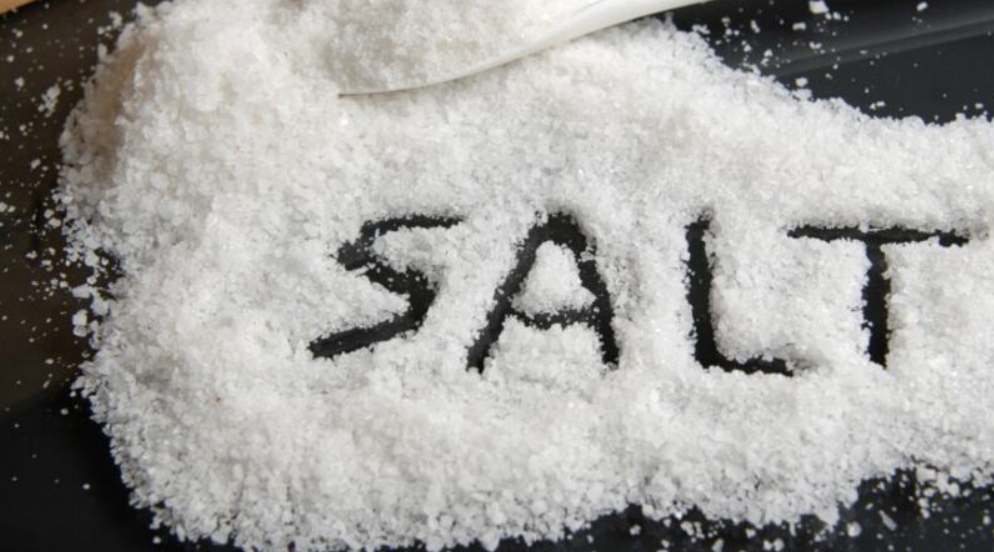
Thailand, which has been taxing sugary sugary drinks, is considering taxing foods high in sodium this time.
According to Bloomberg News, Rachada Wannichkorn, deputy head of Thailand’s Consumer Tax Administration, explained that officials are preparing an official proposal for the introduction of a phased sodium tax (salt tax) on packaged food manufacturers in the new government.
The measure reflects the government’s commitment to kick out sodium-related diseases such as high blood pressure and kidney disease. However, the authorities seem to have limited readjustment of ingredients as there are no substances that can replace salt, unlike sugar with alternative sugar.
Sodium tax does not apply to cooked foods, instant foods, and fast foods. It is also expected to be imposed based on all sodium contents added to foods such as baking soda (sodium hydrogen carbonate) as well as salt.
“The purpose of this tax is not to increase government revenue,” Deputy Commissioner Rachada said. “Rather, it is to create a positive social impact and to supplement tax-free health measures.”
Thai cuisine is mainly made up of stimulating flavors such as salty, sweet, sour, and spicy. Fish sauce, which is salted and fermented fish, is also used in dishes familiar to us such as Somtam, Tom Yum, and Pad Thai.
According to the 2024-2025 National Health Survey, the average daily sodium intake of Thais aged 15 and over is 3650 mg, almost double the World Health Organization (WHO) recommended amount of less than 2000 mg.
Thailand is estimated to spend about 1.6 trillion baht of additional medical expenses annually as high sodium intake increases the incidence of high blood pressure, kidney disease and cardiovascular disease.
Under the announcement, a tax rate based on the total sodium content per serving will be imposed. According to Deputy Commissioner Rachada, a relatively very low tax rate will be applied to foods with very high sodium content, considering at least six years as a transitional period.
Meanwhile, Thailand was the first country in Asia to introduce a sugar tax in 2017. It is a measure to differentiate taxes based on sugar content on sugary drinks that contain sugar that can cause diabetes, obesity, and high blood pressure.
JULIE KIM
US ASIA JOURNAL

