


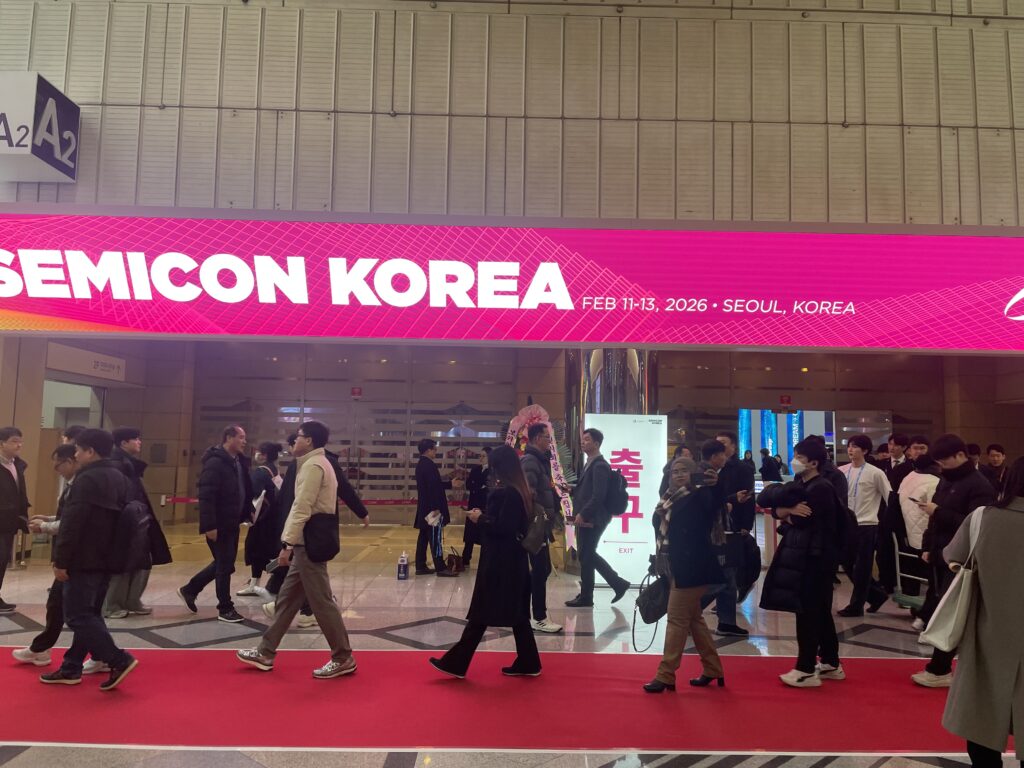
From February 11 to 13, 2026, SEMICON Korea 2026 was held across the entire COEX convention center in Gangnam, Seoul, offering a comprehensive look at the present and future of the global semiconductor industry. Although semiconductors can seem like a complex and highly specialized field, the exhibition hall was filled with energy, welcoming not only industry professionals but also students, general visitors, and international buyers. It was a unique opportunity to witness innovation unfolding at the forefront of technology.
SEMICON Korea is a leading global semiconductor exhibition and Korea’s premier event dedicated to the semiconductor industry. Each year, major domestic and international companies specializing in semiconductors, equipment, materials, and components gather to showcase their latest technologies and business strategies. As Korea is widely recognized as a global leader in memory semiconductors, SEMICON Korea has grown beyond a regional trade show into an important platform for global exchange and collaboration within the industry.
But what exactly is a semiconductor? A semiconductor is a material with electrical conductivity between that of a conductor (such as metal) and an insulator (such as rubber). Its unique ability to control the flow of electricity allows it to function like a switch. These tiny electrical switches, when combined in vast numbers, form the foundation of modern electronic devices. Smartphones, computers, automobiles, and home appliances all rely on semiconductor chips that act as their “brains.” Inside a single smartphone, billions of transistors are integrated into a chip, enabling it to process information, store data, and perform countless tasks in an instant.
Semiconductors are not limited to consumer electronics. They are essential to a wide range of advanced industries, including artificial intelligence (AI), autonomous vehicles, 5G and 6G communications, data centers, medical devices, and aerospace technology. For example, AI systems require high-performance semiconductor chips to process and analyze enormous volumes of data at high speed. Electric and self-driving vehicles depend on numerous sensors and control systems powered by semiconductor chips. In this sense, semiconductors can be considered a foundational resource that drives modern society.
In recent years, the semiconductor industry has reached a turning point alongside the rapid advancement of AI technologies. Competition in ultra-fine manufacturing processes has intensified, while the development of high-performance, energy-efficient chips has become a critical priority. At the same time, supply chain stability and technological self-reliance have become closely tied to national competitiveness, elevating semiconductors from a key economic sector to a strategic industry. Against this backdrop, SEMICON Korea 2026 served as an important stage for presenting the direction of change within the industry.
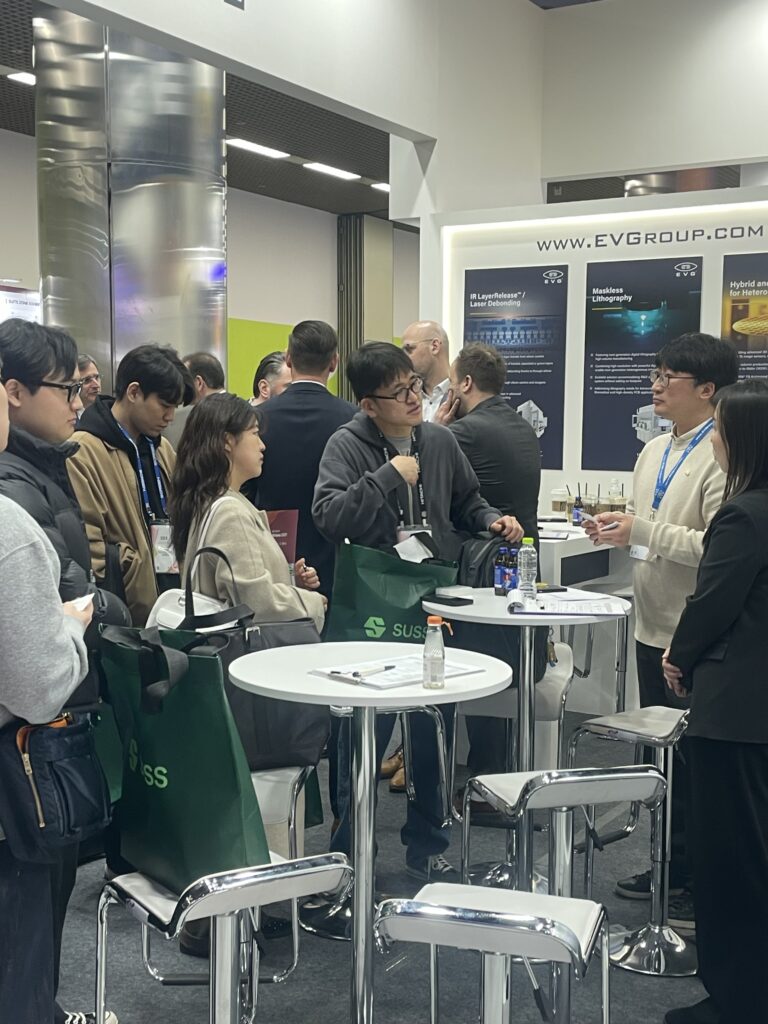
This year’s exhibition featured a wide range of cutting-edge technologies, including AI semiconductors, advanced packaging solutions, next-generation lithography equipment, and eco-friendly manufacturing processes. Semiconductor manufacturing is an extremely precise industry, engraving circuits at the nanometer (nm) scale—far thinner than a strand of human hair. Achieving this level of precision requires highly sophisticated equipment and advanced materials. The exhibition included detailed models of precision machinery and explanatory videos of manufacturing processes, making the complex technology more accessible even to visitors without a technical background.
One particularly notable aspect of the event was the strong interest shown by students and young professionals. Career counseling sessions, mentoring programs, and recruitment briefings were held throughout the venue. Various roles—ranging from chip design and process engineering to equipment development—were introduced, and attendees had the opportunity to engage directly with working engineers. The event demonstrated that the semiconductor industry is no longer limited to a narrow group of specialists but has evolved into a multidisciplinary field requiring diverse talent and collaboration.
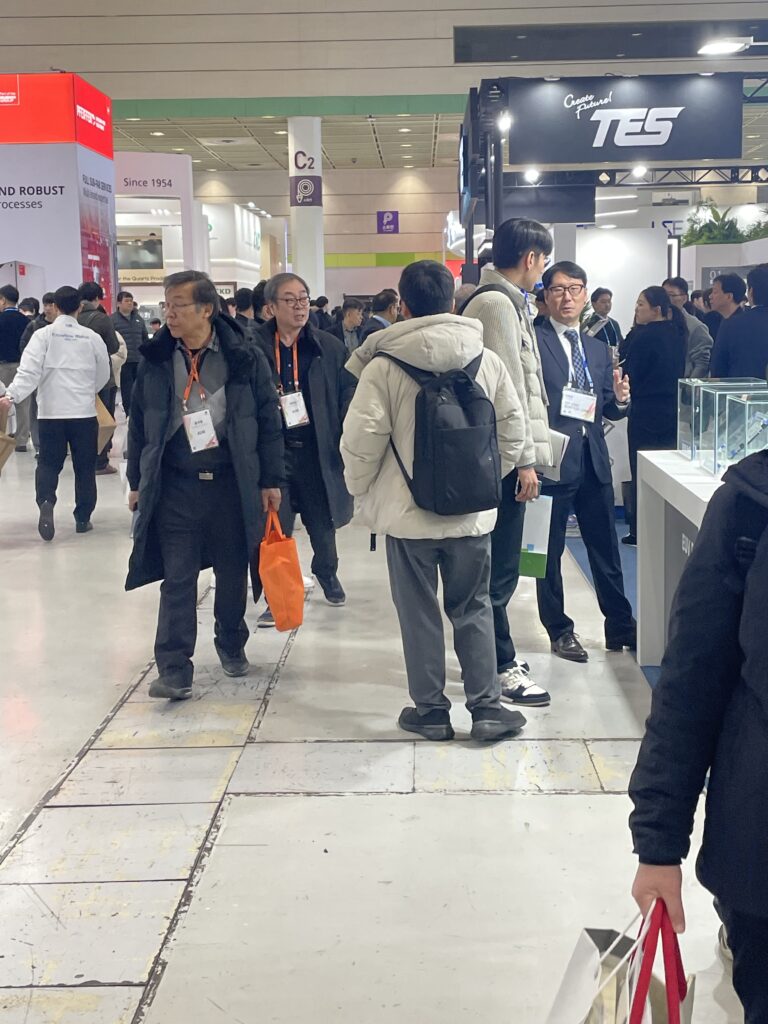
Companies and buyers from the United States, Japan, Europe, Southeast Asia, India, and other regions contributed to the event’s distinctly international atmosphere. Active business meetings and discussions on technological cooperation took place throughout the exhibition, highlighting Korea’s prominent position in the global semiconductor ecosystem. Semiconductor production is inherently global; no single country can independently complete the entire process. Design, materials, equipment, manufacturing, and packaging are all interconnected within a complex and tightly integrated supply chain. SEMICON Korea effectively showcased this global ecosystem in one place.
Walking through the exhibition, it became clear that the semiconductor industry is not merely a “difficult technical field,” but one that is deeply intertwined with our daily lives. Every time we take a photo with a smartphone, attend an online class, or drive an electric vehicle, semiconductors are at work behind the scenes. Often unnoticed, they form the invisible foundation that supports the convenience, connectivity, and safety of modern life.
SEMICON Korea 2026 went beyond being a technology exhibition; it presented a vision for the future of the industry. As artificial intelligence and digital transformation continue to accelerate, the importance of semiconductors is expected to grow even further. For industry professionals, the event offered new opportunities; for students, it provided inspiration and direction; and for general visitors, it broadened understanding of the technologies shaping our world. Ultimately, it was a meaningful and forward-looking gathering that reflected both the challenges and the promise of the AI-driven era.
SALLY LEE
US ASIA JOURNAL

