


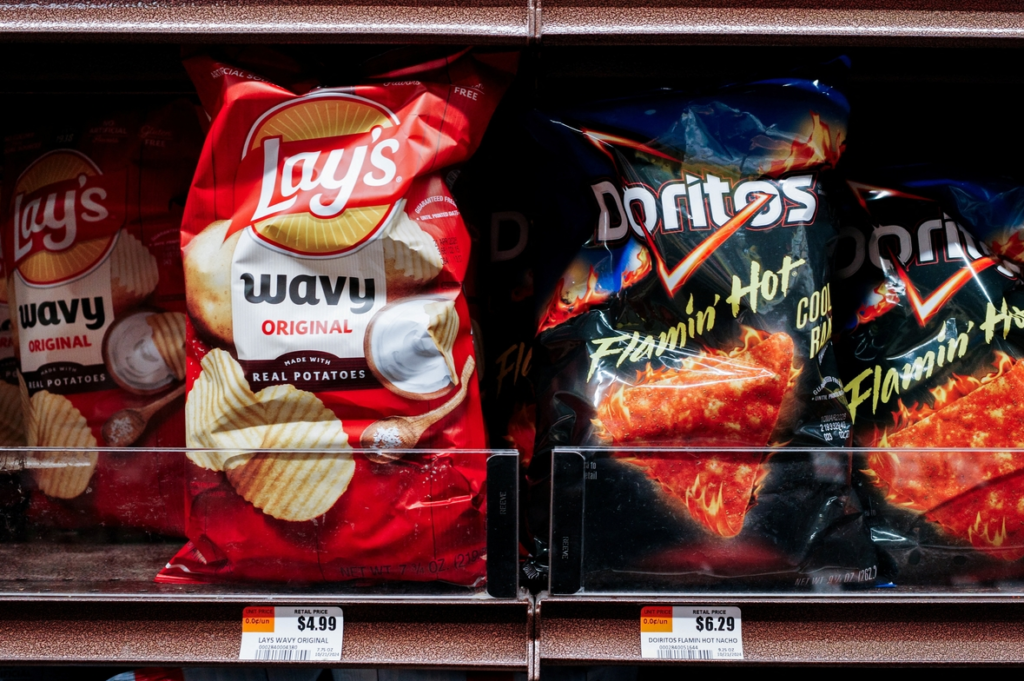
As PepsiCo, a global food and beverage company in the U.S., has decided to cut the price of snacks, attention is being paid to the background. Analysts say that the move is conscious of not only easing the burden of consumer prices but also changes in eating habits due to the spread of obesity treatments.
Reuters and the Wall Street Journal (WSJ) reported on the 3rd (local time) that PepsiCo plans to cut the prices of major snack products such as potato chip brand “Laze”, “Doritos”, and “Cheetos” by up to 15%. The price adjustment was announced ahead of the Super Bowl, where snack consumption in the U.S. is soaring.
PepsiCo is a global company with various food brands as well as beverage brands such as Pepsi Cola, Mountain Dew and Gatorade. The company said that lowering the price will not change the packaging size, ingredients or taste of the product. However, the final selling price will be decided by retailers.
The key background of the price cut was “affordability,” which means consumers’ spending capacity. PepsiCo CEO Ramon Laguarta pointed to the burden as the biggest reason why low- and middle-income consumers hesitate to buy.
“We’ve been listening to consumers for the past year,” U.S. CEO Rachel Ferdinand PepsiCo said in a statement, adding that “consumers are feeling economic pressure.”
WSJ reported that PepsiCo has started price adjustment after a series of consumer complaints that the price of the product is too high. It added that rising food prices have long been the subject of complaints among consumers, and that major food companies have continuously raised prices of various items since the COVID-19 pandemic.
In addition, a new variable called the spread of obesity treatment has also emerged. Analysts say that as the use of obesity treatment that suppresses appetite increases, concerns are spreading across the food industry that demand for snacks and soda may decrease.
According to the BBC, food companies are being tested to respond to changes in consumers’ eating habits due to the growing popularity of GLP-1 (Glucagon-like peptide-1) products such as Hugo Bee and Ozempic.
JULIE KIM
US ASIA JOURNAL

