


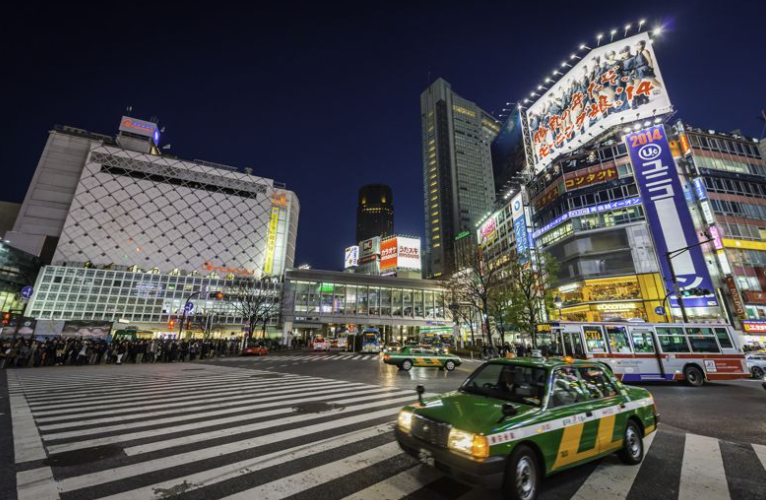
Amid the rapid rise in salaries of manual workers (blue color), which are difficult to replace with artificial intelligence (AI) in the United States, and the phenomenon of “blue color billionaires” is occurring, wages are also rising in a number of blue color jobs in Japan.
According to the Sankei Shimbun’s analysis of basic statistics on the wage structure of Japan’s Ministry of Health, Labor and Welfare, the average monthly salary of taxi drivers (excluding overtime pay) increased 40% over the past four years from 202,900 yen in 2021 to 283,600 yen in 2024. During the same period, the number of auto repair workers increased 14 percent from 270,300 yen to 309,100 yen. The monthly salary of construction workers (18 percent), carpenters (12 percent), and bus drivers (8%) also rose significantly.
Considering that the average monthly salary growth rate for all occupations is 7%, the increase in blue-colored occupations is relatively large.
The improvement of blue color treatment was also confirmed in a private investigation.
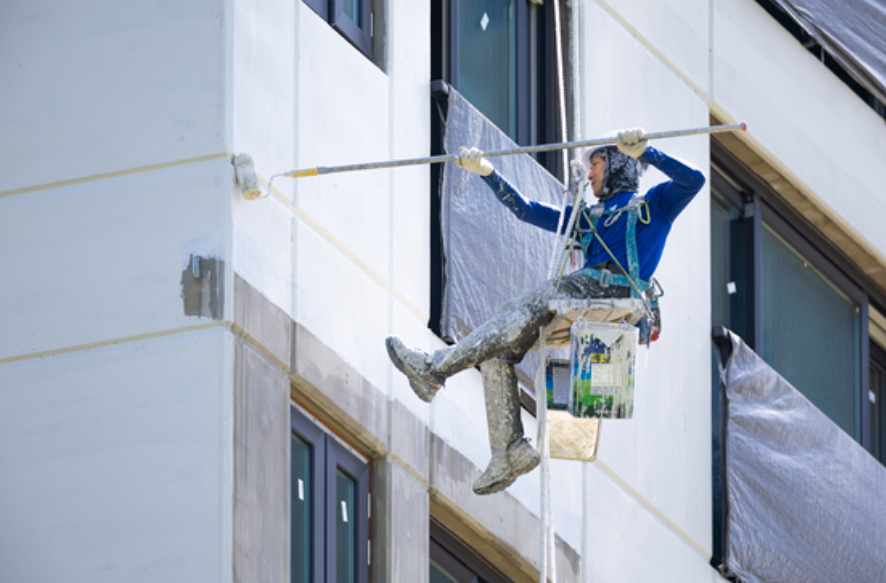
According to a survey of job turnover conducted in December last year by career support service provider Leverages (520 respondents), 25.6% of the respondents said their salary increased after moving from white to blue. The annual salary increase was 22.6% for “more than 500,000 yen and less than 1 million yen” and 30% for “more than 1 million yen.”
“As career perceptions change due to the rapid spread of AI, there is a trend of shifting to blue-collar occupations with an emphasis on stability and reward,” Leverages said. “This suggests that the blue-color Villiers phenomenon may spread in Japan.”
However, analysts say that blue-colored wages are unlikely to reverse white-colored wages as in the United States.
“The wages of blue-colored workers in Japan are likely to rise in the future, but the wage gap between the two sides is unlikely to reverse due to the large wage gap with white-colored workers,” said Hisashi Yamada, a labor economics professor at Hosei University.
In the case of the U.S., on-site labor supply and demand have not fully recovered since the COVID-19 incident, immigration inflows have been restricted, and the value of blue color has risen significantly due to the rise of Generative AI, resulting in mass production of blue color billionaire. On the other hand, in Japan, the hourly wage is rising, but there is a limit to the per capita wage increase as it is offset by a decrease in working hours due to aging. In addition, since turnover in Japan is not as common as in the U.S., it is difficult for the shortage of manpower to immediately lead to a surge in regular wages.
Professor Yamada said, “It is important to increase productivity by using robots or digital technologies to respond to serious manpower shortages at the site,” adding, “Blue color labor, which is essential for maintaining society, should be socially reevaluated.”
SAM KIM
US ASIA JOURNAL

