


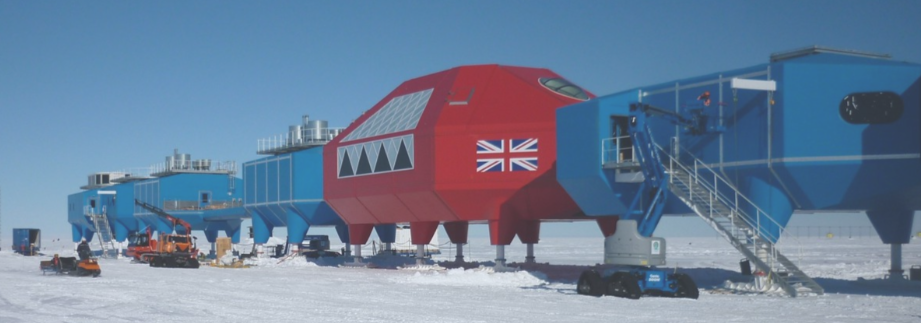
According to the Daily Mail and other media, the British Antarctic Survey (BAS) recently posted a recruitment announcement on its official website, saying that it will recruit staff to work at an Antarctic research station. The contract starts from May to September.
The overall research, maintenance, and operation of chefs, plumbers, carpenters, factory operators, boat managers, weather observers, wireless carriers, and scuba divers are targeted for recruitment. The contract period ranges from a minimum of 6 months to a maximum of 18 months.
The annual salary starts at £30,000, and accommodation, meals, transportation costs, as well as special work clothes and equipment are supported. As the structure is virtually free of the burden of living expenses incurred locally, the compensation based on the actual receipt is evaluated to be quite high.
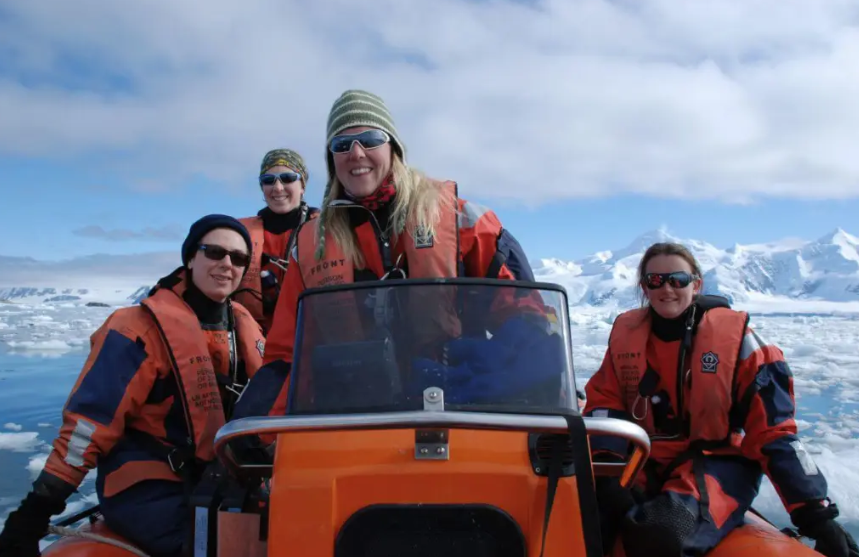
“The applicants selected for this position are the most isolated but beautiful places on the planet,” a media outlet said. “They will be able to build lifelong friendships and contribute to important scientific research.” Phil Coolman, who works as a carpenter at the lab, said, “The people who work here are ordinary people, they are doing ordinary things, but they are working in a special place.”
Adaptability and teamwork are essential to working as a carpenter in Antarctica, he said. “The skills I learned here were actually available all over the world outside of Antarctica, and I was able to do things I never imagined before.”
“The research institute is not just a base and a team, but a home and family place,” he said, adding, “We are all working together to continue scientific research no matter how volatile the weather is.”
However, the working environment in Antarctica is famous for its extreme. More than half of the year is in complete darkness, and the temperature drops to -89.2 degrees Celsius.
At least three layers are required at minus 43 degrees Celsius, and at least five layers are required at minus 50 degrees Celsius. It is known that cold weather instantly freezes just by leaving food or drink outside for a while.
JULIE KIM
US ASIA JOURNAL

