


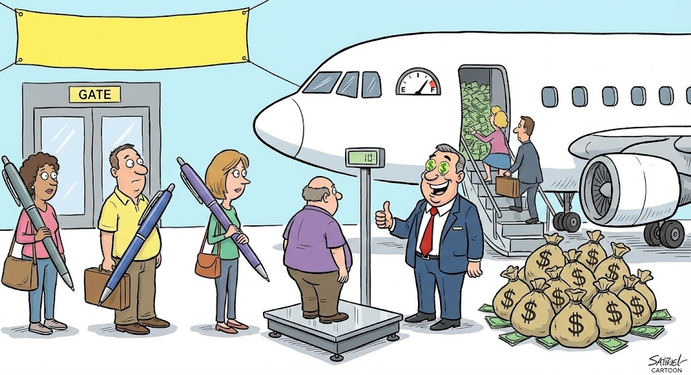
The rapid increase in the use of obesity treatments such as Wegovy and Mountaineer has caused passengers to lose weight, which could save U.S. airlines up to $580 million in fuel costs this year, according to an analysis.
According to Bloomberg and CBS News, a team of analysts in the aviation and transportation sectors at investment bank Jefferies made the forecast in a research report on the aviation industry on the 12th.
According to the report, the obesity rate in the U.S. has decreased for three consecutive years, and the number of adults using obesity treatments has doubled. Under these circumstances, the report analyzed the impact of weight changes on passengers based on Boeing 737 Max 8 planes. As a result, if the average weight of passengers is reduced by 10%, the total takeoff weight of the aircraft could be reduced by about 2% (about 1,450kg), fuel costs could be reduced by up to 1.5% each, and earnings per share (EPS) could increase by up to 4%.
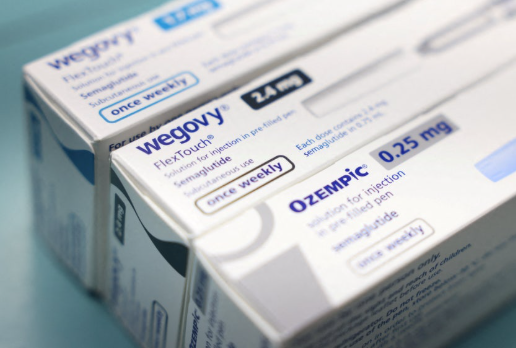
This is a figure that airlines cannot ignore. Fuel costs account for 19% of the total operating costs of the four major U.S. airlines, including American Airlines, Delta Air Lines, United Airlines, and Southwest Airlines.
The four airlines are expected to use about 16 billion gallons of fuel this year. Assuming the average fuel price is $2.41 per gallon, the total fuel cost is about $38.6 billion).
As weight determines fuel efficiency, airlines have long tried to reduce aircraft weight. For example, United Airlines made the in-flight magazine Hemisphere in lighter paper in 2018, reducing fuel costs by 1 ounce per copy. This is expected to save about 170,000 gallons per year, or about $290,000 at the time.
Meanwhile, the report added, “The reduction estimate did not include losses from reduced snack sales due to a decrease in obese passengers.”
JULIE KIM
US ASIA JOURNAL

