


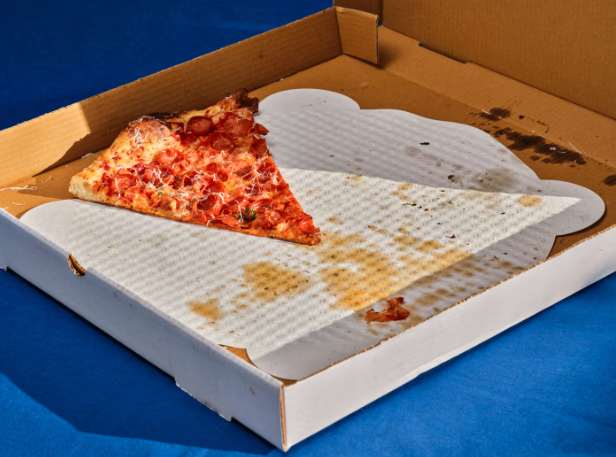
Once the second most common restaurant business in the United States, pizza restaurants are now fewer than coffee shops and Mexican restaurants.
According to industry data, sales growth at pizza restaurants has been below the average of the fast food market for several years, and the outlook for the future is not bright, the New York Times reported.
“The pizza market is definitely shaking right now. That’s what consumers are saying,” said Ravi Tanawala, North American president and CFO of Papa John’s.
Pizza is not completely ignored. According to market research companies, the U.S. pizza chain’s sales in 2024 reached about $31 billion. An average of one in 10 Americans still eat pizza a day.
Pizza’s status has clearly weakened. Pizza ranked second in terms of restaurant sales in the 1990s but fell to sixth in 2024. The number of pizza restaurants has also been on the decline since peaking in 2019.
There has also been a significant shift in consumer perceptions. “There are many better options now,” said Austin Rowland, an office worker in his 20s who often ate pizza during the COVID-19 pandemic. “I don’t want to buy more expensive pizza other than discounting the Domino’s app.”
In fact, restructuring of the pizza industry is taking place one after another. The parent company of Pionology Pizza Ria filed for bankruptcy protection in December last year. The parent companies of Anthony’s Call Fired Pizza and Wings and Bertuccis Brick Oven Pizza and Pasta also went bankrupt.
Experts attributed the decline in pizza popularity to the growing number of consumer options with the spread of delivery apps. In the past, pizza was a rare food outside of large cities, so the expansion of local chains such as Pizza Hut and the growth of delivery culture brought about the heyday of pizza. Now, however, a pizza costing around $20 is expensive compared to a $5 fast food set, frozen pizza, or homemade food.
Major pizza chains are restructuring their survival strategies. Pizza Hut, Papa John’s, and Papa Murphys are considering a variety of options, including sale or restructuring. Mid-sized chains such as Blaze Pizza and Mod Pizza have cut back on their stores over the past two years.
SALLY LEE
US ASIA JOURNAL

