


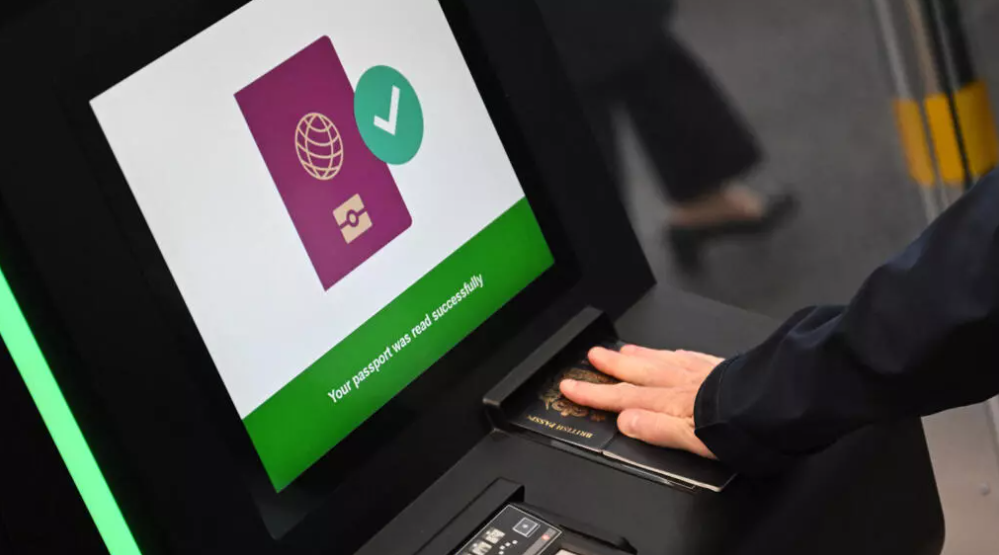
As the European Union (EU) fully introduced the digital immigration management system from April 2026, the passport stamp, which has long been a symbol of travel, is expected to disappear into history.
According to the BBC, the digital immigration/exit system (EES), which the EU has introduced since October, will be fully implemented from April.
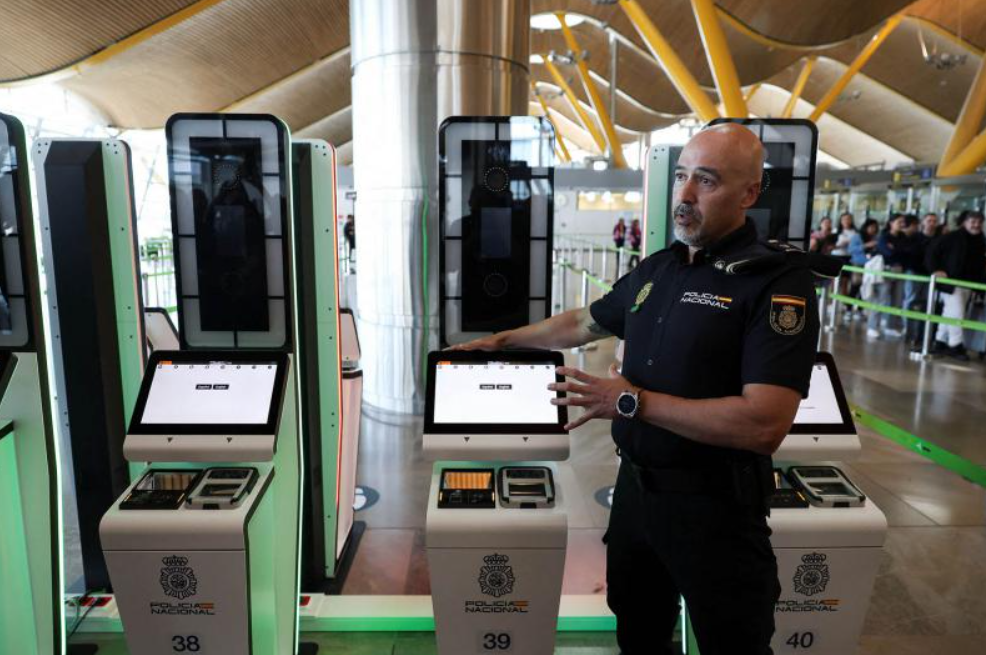
The EU’s new Digital Immigration Control System (EES) records biometric information and the date of entry and exit of non-EU nationals traveling to and from the Schengen area.
Accordingly, the existing handwritten passport stamp will be replaced by digital screening, and the border crossing process will be more efficient and safe.
The change is part of a global trend. Australia, Japan, and Canada are already using biometric systems to pass borders, and the U.S. has also announced plans to expand similar systems. As digital processing becomes more common, collecting passport stamps, a long-standing travel tradition, is increasingly likely to disappear.
Passport stamps have long been used as a symbol of mobility and experience. In the 1950s, air travel went through the golden age of travel, and passport stamps have been recognized as emotional records containing individual travel agencies beyond simple immigration records.
Travelers’ reactions are mixed over the possibility of the passport stamp disappearing.
A British netizen said, “The passport stamp is not just a proof of entry, but a small mark containing the memories of the places and trips I have been to.”
A New York writer also expressed regret, saying, “I understand the need for faster and more efficient procedures,” but added, “The stamp felt like evidence of arriving at the place you dreamed of crossing the border.”
On the other hand, some view the change as practical. “For someone who travels 250 to 300 days a year, this change is a huge time saving,” said Jorge S. Guevara, CEO of New Pass Expedition, a travel agency. Some travelers also said that they plan to leave traces of their travels in other ways, such as collecting refrigerator magnets and souvenirs instead of stamping their passports.
SALLY LEE
US ASIA JOURNAL

