


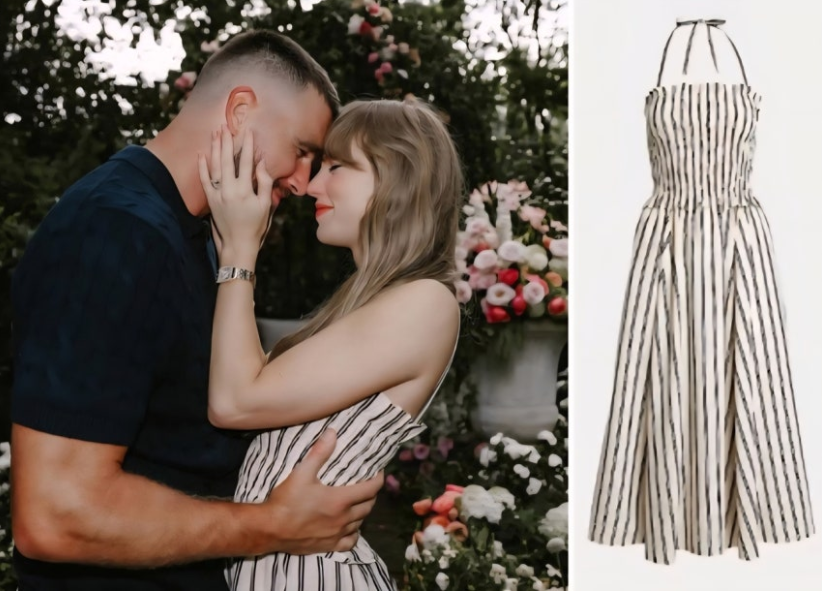
The combination of the lifestyle trend centered on TikTok and the natural exposure of pop stars such as Taylor Swift reversed the brand image that was once considered old. One of the inflection points was Taylor Swift. She wore Ralph Lauren’s striped dress in a photo that Swift released in August last year when she announced her engagement to NFL star Travis Kelsey, and the product was sold out in 20 minutes after its release. Ralph Lauren had no idea that Swift would wear the costume. The company’s unintended cultural moment imprinted the brand on Gen Z.
The so-called “L’Alproren Christmas” has drawn even more attention on social media. Made of wool, velvet and leather, dark wood furniture, classic tartan check, pine cones and candles, the atmosphere emphasizes calm and luxurious aesthetics instead of splendor. It also features vivid green garlands, excessive decorations, and unified gift wrapping boxes instead of gift envelopes.
This production method is not an official guideline of the brand, but a kind of “rule” that Gen Z users voluntarily created on TikTok. With the spread of this trend, demand for vintage Ralph Lauren home decoration products surged, and related searches on eBay surged 250% year-on-year in November last year. Gen Z consumers are flocking to offline stores beyond online.
In terms of products, SNS-friendly success stories have emerged. The Polo ID Bag costs 328 to 998, which is more accessible than European luxury bags costing thousands of dollars. Videos showing how well keys, wallets, and mobile phones fit in the bag spread on TikTok, making it a natural viral hit.
The trend is also in line with Ralph Lauren’s strategy change. “The brand remained in the past in many ways, and we were not able to talk to the younger generation properly,” said CEO Patrice Lube, recalling when she joined the company in 2017. At that time, the main means of communication was still print advertising, and the flagship product remained almost unchanged considering the new generation. Since then, the company has chosen to increase collaboration with trendy brands, communities, and artists, and to style existing icon products differently for each generation. By strengthening investment in digital and social media, the proportion of marketing expenses has also increased from 3.3% of sales in 2017 to 7.3% now. Analysts say that this change fits with the value of “authenticity, inclusion, and self-expression” that Gen Z values.
“I used to think of Ralph Lauren only as a preppy brand for the older generation,” said Lavinia Gabriele, 26, who works in retail in New York, but “I’ve completely changed my mind recently when I saw a cowboy-themed collection of fringe jackets and silk skirts in the store.”
At the same time, Ralph Lauren maintains a line that does not touch the brand’s core DNA in order not to lose its existing customer base. While collaborating with Gen Z-friendly brands such as Fortnite, Roblox, and skate brand Palace, it is also continuing to connect with communities and cultures inspired by its founder Ralph Lauren for more than 60 years.
In the end, Gen Z fell back into Ralph Lauren because the brand suddenly became “young,” but because the aesthetics it already had were reinterpreted through a new window of TikTok and pop culture. With the old brand “unintentionally” translated into Gen Z’s language, Ralph Lauren has again become one of the most coveted brands.
SALLY LEE
US ASIA JOURNAL

