


As many as 89 cases of “proxy test” were found in the national exam including the civil service examination. The proxy test team consisting of highly educated people took the test in lieu of the test in various parts of the country for seven years, and all of the 100 people who passed the examination were dismissed after being appointed to public office. China’s business daily reported on the ruling made public by the People’s Court of Gaowen in Guangdong Province, which heard the case. From 2014 to 2020, the group gathered highly educated people to form a proxy test organization. The group recruited candidates through QQ, WeChat group rooms, and online ads, and expanded the crime to provide one-stop service for falsifying test tickets, compiling photos, and even taking the test as proxy.
Once the test takers are determined, they search for players of the same sex with similar faces within the test team, and put them in actual test sites by falsifying test identification tags and identification cards with composite photos. They have persistently penetrated loopholes in the process of identifying test takers at test sites. They have conducted a total of 89 tests in 10 cities and provinces nationwide, including civil service examinations and various national qualification examinations, and their fees have exceeded 10 million yuan and 2 billion won. The successful applicants were hired by various ministries, including local governments, public security agencies, and rural institutions, but all were fired after the incident was discovered.
The court sentenced 16 main culprits to five years to five and a half years in prison and fined them for allegedly organizing cheating in the national exam. Hwang, who forged his ID card, was punished for forgery of official documents and 18 others who participated in the proxy examination were punished for taking the examination by proxy. All claims of some defendants who appealed were rejected.
The judiciary stressed that the incident is a serious crime that has undermined the fairness of the civil service examination and trust in the national talent selection system, beyond simple cheating. He also pointed out that it is urgent to improve the system in the future, such as strengthening smart identification technology and supplementing the supervisory system, as it was a structural crime in which the chief, agent and examinee were connected. Article 284 paragraph 1 of the Chinese Criminal Code stipulates imprisonment and fines of not less than three years and not more than seven years for systematic irregularities in state-designated tests, and surrogate candidates are also subject to punishment.
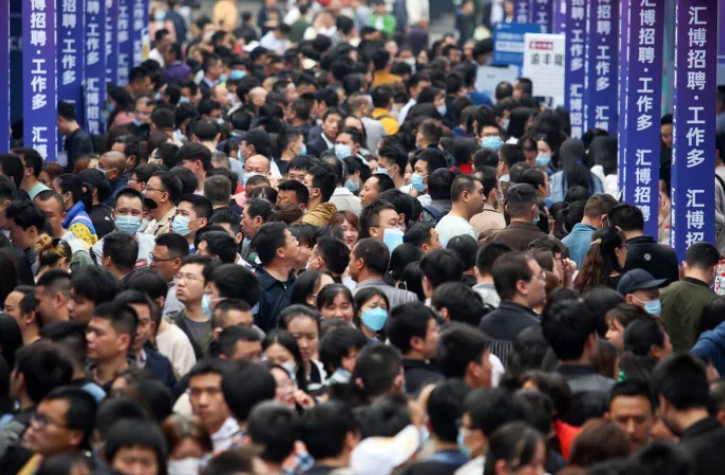
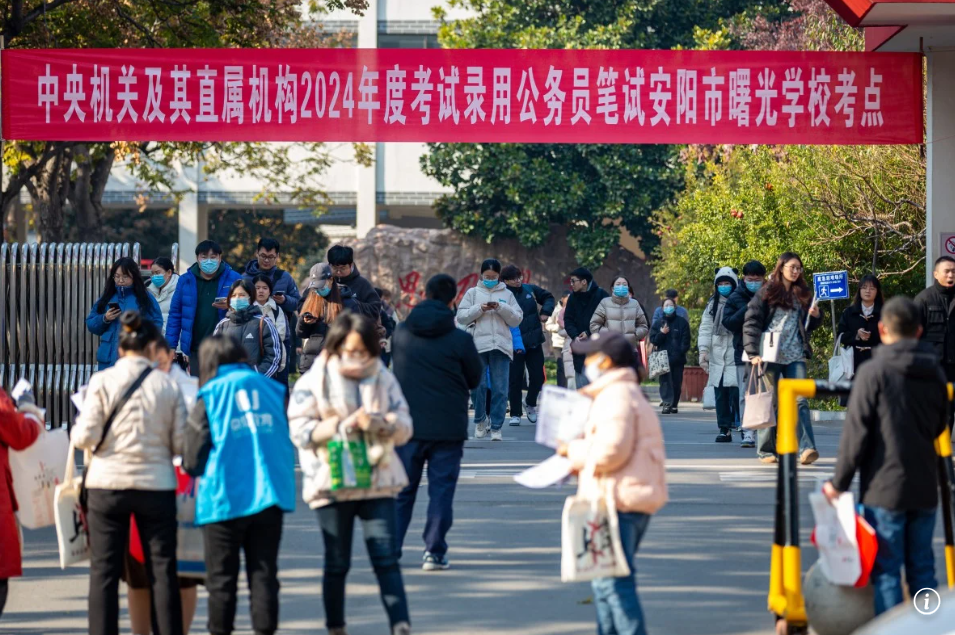
Finally, the judge warned test takers, “The dream of life should be achieved through one’s own efforts,” adding, “The consequences of cheating can eventually leave an indelible stain on life and bring an irreversible aftermath.” On the other hand, the reason why proxy tests are prevalent even at the risk is the fierce competition rate for the Chinese civil service examination every year. According to data released by the National Public Service Bureau, a total of 3,718,000 people took the national civil service exam in 2026.
Among them, about 38,100 people are expected to be hired, with an average competition ratio of 98 to 1. In some popular series, more than 7,500 applicants flocked to recruit one person.
EJ SONG
US ASIA JOURNAL

