


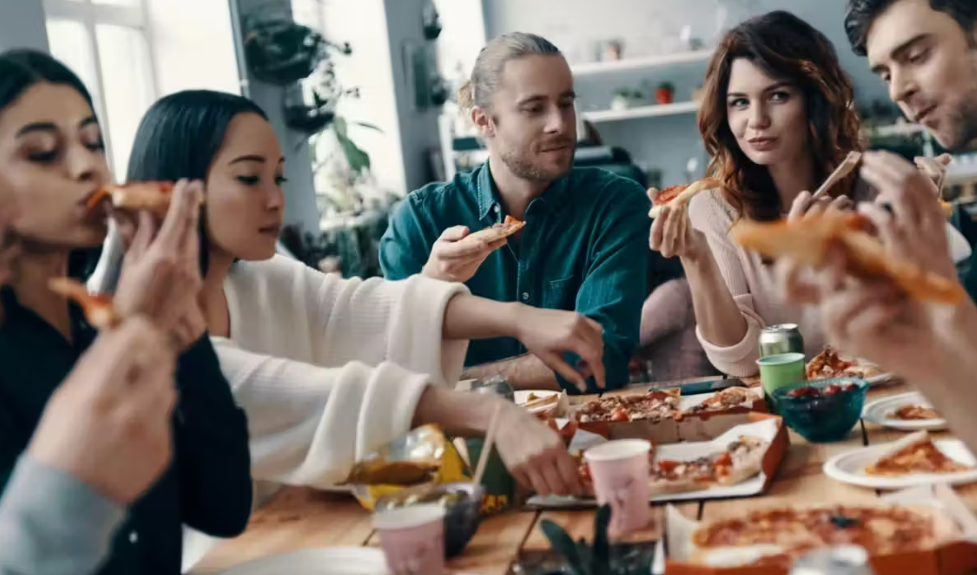
In the past, there were many likes and dislikes because of the awkwardness and discomfort with others, but as digital fatigue accumulates and young people seeking analog experiences increase, the perception of joining is also changing. Recently, the U.S. economic media Business Insider said, “Generation Z is making a popular meal in which they share a table,” and added, “Since the COVID-19 pandemic, it has been established in a way that allows us to interact with others naturally without any burden.”
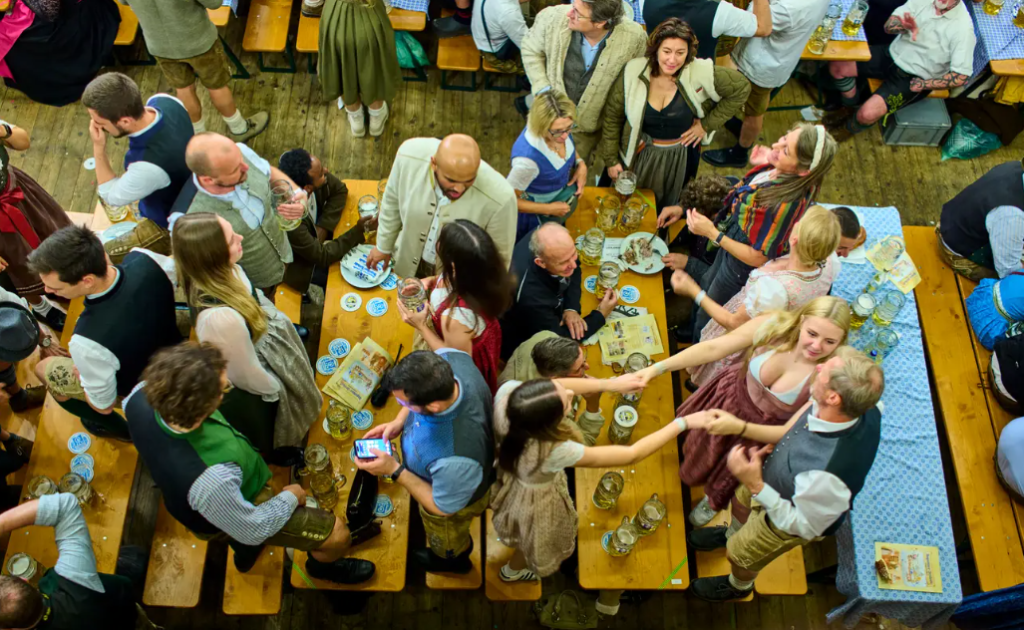
According to online reservation service company Lesy, 90 percent of respondents from Generation Z said they “enjoy meals at public tables,” while only 60 percent of baby boomers said they prefer to share. It can be seen as a culture of clear likes and dislikes between generations, which means that the preference for sharing is high, especially among young people. In a related survey, 63 percent of the respondents said that “public tables help meet new people,” and 50 percent said, “I have had an experience of having interesting conversations while eating with strangers who I would not normally have spoken to.” In addition, one in three respondents (about 33%) said they had met a new friend at a public table, and one in seven (about 14%) said they had found a date.
The culture of sharing a table and sharing has existed for a long time, but preferences used to vary depending on the social atmosphere. “After the 9/11 terrorist attacks in 2001, people wanted intimate interaction in a smaller space,” said Donnie Madhya, co-founder of Chicago-based restaurant group “One Off Hospitality.” “A similar trend appeared after the 2008 financial crisis, and customers who visited restaurants came to prefer a ‘community atmosphere’ where they gathered and ate with others.” Analysts say that the reason Gen Z prefers to share is also in line with the trend of ‘digital detox’ to escape from artificial intelligence (AI) and smartphone-oriented life. In the past, they felt repulsed by forced conversations with strangers, but after experiencing a social disconnection due to COVID-19, there has been a clear tendency to prefer casual exchanges in reality.
Michael Della Pena, chief strategy officer of Inmarket, a data marketing company, said, “Sharing tables with strangers is a great comfort for people who lack social skills, are somewhat shy, and have long been accustomed to digital environments. It’s an opportunity to communicate safely and get closer socially, free from the pressure of leading the conversation.”
Some view meeting new people as part of their experiences. “For Gen Z, ‘shared meals’ have become the new standard, and a table that can be shared is the most appropriate space,” said Pablo Rivero Reci, CEO of the company. “The fact that we don’t know who will sit next to us is a part of our experience and fun.”
SALLY LEE
US ASIA JOURNAL

