


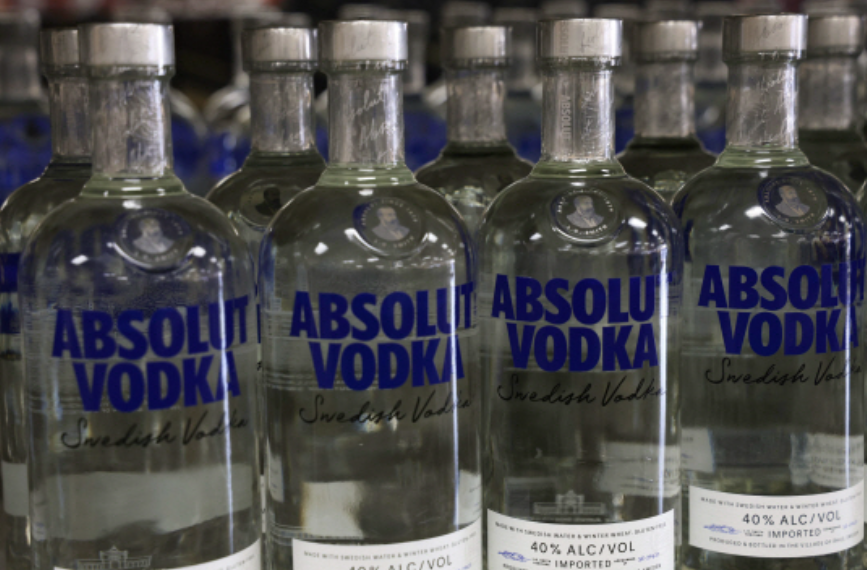
Analysts say this is due to a decrease in demand from the younger generation, who are interested in health, at the lowest level in 26 years.
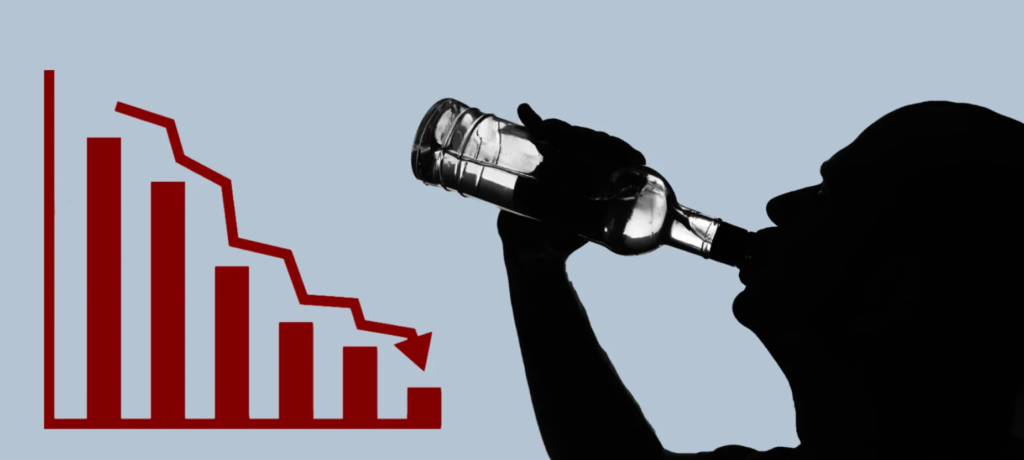
According to Russian media such as Izvestya on the 23rd, alcohol consumption per capita recorded 7.84 liters in September, the lowest level since 1999.
Russians have seen a steady decline in their alcohol consumption this year. Per capita consumption of this year was 8.41 liters in March, 8.32 liters in April, 8.22 liters in May, 8.12 liters in June, 8.01 liters in July and 7.93 liters in August. The average monthly consumption of alcohol per capita between January and September this year is 8.18 liters.
The fewest places in the Russian Federation consume alcohol are in the North Caucasus, including Chechnya (0.13 liters per person in September) and Ingushetia (0.62 liters). As most of the residents in the region are Muslims, most tourists consume alcohol.
The region with the highest alcohol consumption is Sverdlovsk, near the Ural Mountains, which drank 10.49 liters per person. Northern regions of Russia consume a lot of alcohol due to the belief and tradition that people should drink strong alcohol to overcome cold weather. The average per capita drinking in Moscow was 4.91 liters. Experts explain that Moscow, the capital, is a business-oriented area, so it has the characteristic of strictly controlling things that interfere with work.
Vladimir Kosenko, head of the premium wine portfolio at Luding Group, said, “The actual Russian consumption of alcohol would have decreased even more if the statistics were taken into account.” This is because the statistics of the 1990s exclude the consumption of low-alcohol drinks. Andrei Ivanov, an addiction specialist, said, “The gap in statistics would be even bigger as there was a huge black market for illegal vodka in the 1990s, and alcohol traded on the black market is not counted in statistics.”
Analysts say that the recent decline in alcohol consumption is due to changes in Russians’ lifestyle, including growing interest in physical and mental health. It is also affected by Generation Z, who does not enjoy drinking much. “Interest in healthy lifestyle, abstaining from alcohol, and mental health is increasing,” nutritionist Maria Nietzschevskaya said. “This is a phenomenon that is more common among young people.”
Although the decline in alcohol consumption has been noticeable among the younger generation, urban residents, and the wealthy, some point out that the drinking habits of the elderly and socially vulnerable have not changed significantly. Another notable trend is the growing market for non-alcoholic beer and wine.
However, some analysts say that tax and price hikes are more influential than lifestyle changes. Maxim Chernigovsky, an associate professor of the Russian Academy of National Economics and Public Administration and an expert on the liquor market, said that consumption taxes were raised in May last year and January this year. “The lowest retail price of vodka has been raised from 299 to 349 rubles.” He said that tariffs on imported goods have also increased significantly, leading to a decline in alcohol production that is legally legal.
SAM KIM
US ASIA JOURNAL

