



According to the Asahi Shimbun on the 18th, the Japanese government plans to charge a fee for the Electronic Port Certification System (JESTA), which is being introduced in 2028, just like the Electronic Travel License System (ESTA) in the United States.
JESTA is a system in which citizens of visa-exempt countries enter their personal information and purpose of stay online before entering the country for a short period of time for tourism or commercial purposes. If it is judged that there is a concern of illegal stay, entry permission is denied and a separate visa must be issued.
Currently, Koreans can enter the country without a visa when visiting Japan for the purpose of short-term stay, but after the implementation of the system, a fee in the name of “online pre-entry screening” must be paid.
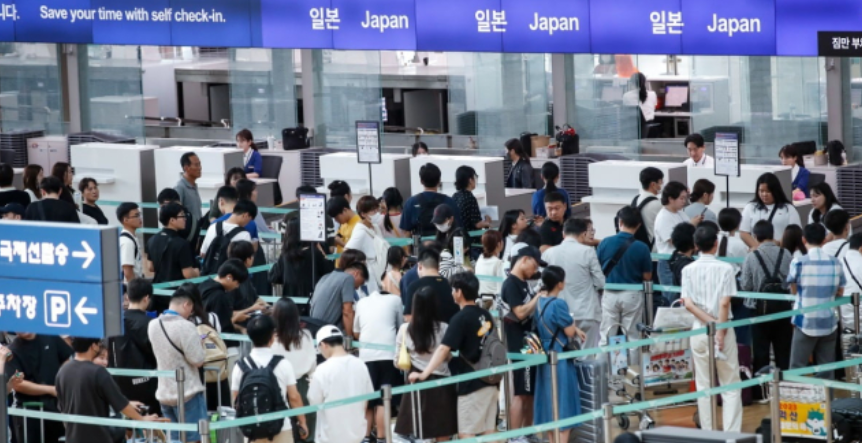
The Japanese government is reportedly planning to set the fee level by referring to the US ESTA ($40).
The Asahi Shimbun analyzed that the move is in line with the Japanese government’s fiscal strategy to secure new financial resources for foreigners entering the country. Although financial demand has grown due to the expansion of free high school tuition, it is shifting the burden to foreigners who do not have the right to vote as domestic tax increases become difficult due to rising prices.
The Japanese government is also considering increasing the “international tourism passenger tax” imposed in the name of departure tax from the current 1,000 yen to 3,000 to 5,000 yen. Visa issuance fees, which have been frozen since 1978, are also planned to be raised.
According to multiple government officials, the Japanese government is planning to secure about 300 billion yen in additional financial resources by expanding the burden on foreigners.
Experts acknowledged the need to adjust the fees, which had been low, but expressed concern that excessive increases could dampen international exchanges.
SALLY LEE
US ASIA JOURNAL

