


The Verge, a U.S. IT media, is drawing attention by analyzing how big the gap between Silicon Valley and Hollywood is caused by AI radicalization under the rather provocative title of “Hollywood does not know how to respond to AI.”
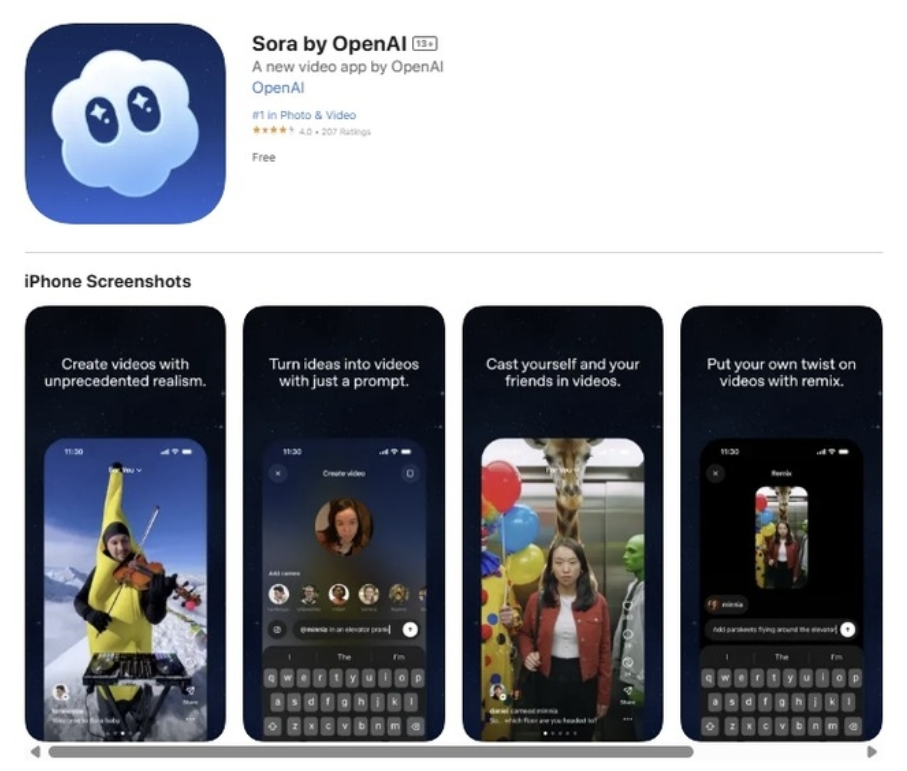
He pointed out the nature of the crisis facing the film and media industries due to AI. In particular, he criticized the entertainment industry for not responding properly to the AI shock wave, focusing on the technological advances of Sora, a video generation app recently released by OpenAI, and its aftermath.
The technical level of the OpenAI Sora app far exceeds that of the previous AI image generation. With the release of the Sora App 2 model, OpenAI has significantly improved video and audio synchronization, precise description of the physical world, and character sustainability.
For example, the ability to express triple-rotation jumps, aerial movements on boards, and continuity between complex movements has been remarkably improved. Hollywood faced shock and confusion as the possibility of “movie-like AI images” being easily opened to public users increased.
The Verge conveyed the on-site atmosphere of Los Angeles’ media event Screentime, where studio officials, agents, and management gather, pointing out that many people only repeat the familiar claim of “protecting copyrights” and fail to come up with practical response strategies.
The Verge said Netflix’s co-CEO avoided questions about the Sora app, and Paramount and Skydance’s CEO attempted to reduce AI to a “new pencil” metaphor.
In addition, copyright and expression control issues that took place immediately after the release of the Sora app embodied concerns in the industry. In early versions, critics said that AI was designed to automatically utilize characters or content unless the copyright holder specified opt-out in advance. In fact, when the running characters or works that used animation IP without permission were shared within the app, OpenAI said it would revise its policy to allow rights holders to take appropriate control.
While Hollywood simply repeats its claim that “copyrights matter,” in reality, the technology rush has sped up. The Verge described this situation as “Hollywood has no idea what to do about AI.” The evolution of technology is progressing at a rapid pace, and traditional media powers are at a loss.
The Verge advised that in order to understand the question of why Hollywood is so powerless, the gap between the characteristics of Hollywood’s industrial structure and the essential nature of AI technology must be seen.
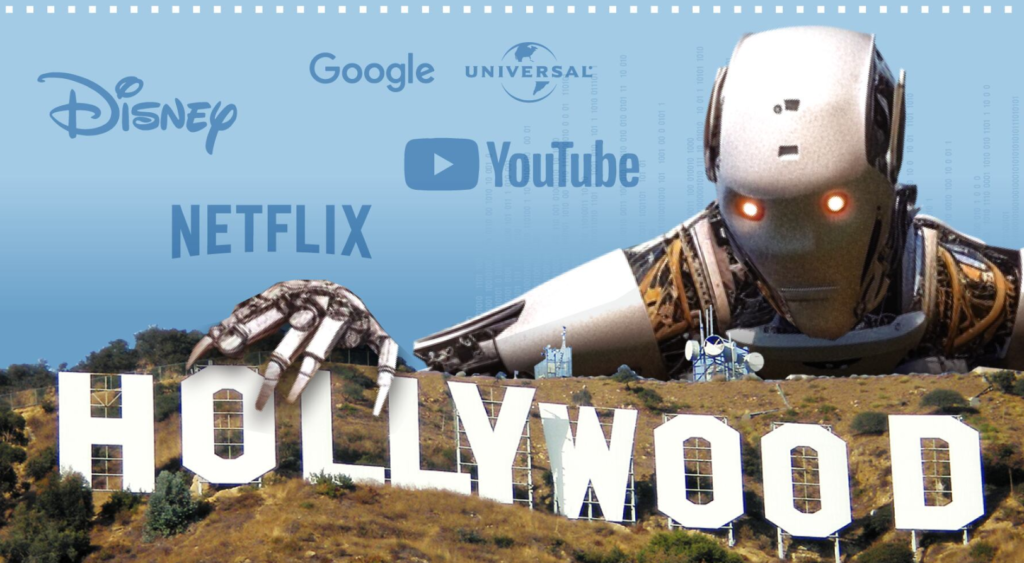
First, it is pointed out that they are accustomed to a copyright and contract-centered system. Films and dramas have been operated on a complex legal system for decades, including copyrights, distribution, creator contracts, actor and staff contracts. When new technologies emerge, contract renewal, license adjustment, and royalty restructuring are necessary. However, since AI image generation operates on a ‘data learning basis’, it is unclear how much existing contracts or agreements can cover.
Next, he cited the risk-averse tendency of content production. Hollywood focuses on large studios and values a safe return model for investment. There is a side that is more afraid of “uncertain copyright risks” than the technical benefits of AI. In particular, when it becomes difficult for public consumers to distinguish between AI content and due diligence, the risk of damaging the brand image or legal litigation increases.
The cliff of speed difference is also a factor Hollywood cannot overcome. Silicon Valley companies try to reorganize their markets by innovating technology every few months to years. Hollywood’s decision-making structure, on the other hand, is relatively slow and complex. Several stakeholders are intertwined and consultations between management, creators, and distributors are needed. As technology advances, those who fall behind have fewer options.
There is also a crisis of identity and redefinement. Like an actor or a director, the rights as a human-centered creator, originality of expression, and value of emotion are shaken on the AI boundary. The concept of “human-centered creation” itself is being challenged. The Verge analyzed that such anxiety is leading to inconsistent attitudes within Hollywood and irresponsible expression of positions.
Then, how will the movie industry develop after Sora? What strategies should Hollywood take? The Verge said that the advent of the Sora app is likely to trigger a different trend in the media and video industries as a whole.
First of all, copyright regulation and legal system reform will be pressured. The existing copyright law system is designed around static images or literary works. The definition of the right to AI-based dynamic content, the post-control method (opt-out vs opt-in), and the subject responsible for the generated content have not been established. In this area, Hollywood will have to create new norms together in collaboration with the government, lawyers, and technology companies.
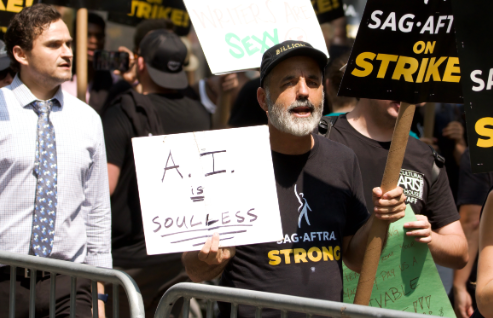
Next, he advised that a new revenue distribution model should be created. When the era of AI automating some of the content creation comes, it emerges as a task of how to compensate existing rights holders such as the original creator, actor, and director. For example, a structure in which a certain royalty is paid to the original content provider used for learning the AI model can be considered.
Securing content reliability and transparency is also a fundamental issue to consider. As AI-generated imaging technology develops and increases, consumers cannot distinguish between real and fake. AI-generated images can also be mixed with original and copy. Therefore, this confusion should be eliminated. Watermarks, metadata labeling, and source verification methods should be recommended and mandated. In fact, Sora is trying to prevent counterfeiting, such as inserting watermarks in the generated images.
Finally, you have to adapt to the changed production environment. The attitude of actively accepting AI as a creative tool has become an inevitable reality. Hollywood can be eliminated only by being afraid of AI. The government should shift its strategy to using AI in the latter half of the movie, visual effects (VFX), free visualization, and assistance in expanding ideas. However, even in this case, balance should be made so as not to dilute the role of human creators.
In the end, The Verge warns how vulnerable the traditional powers of the media are in the face of the flow of technology. The emergence of the Sora app is not just an interesting new technology, but an event with the potential to completely change the rules of the content industry.
Hollywood cannot afford to hesitate at the threshold of change now. If you don’t develop your own response strategy, you’re likely to be helpless on the new board created by technology.
SALLY LEE
US ASIA JOURNAL

