


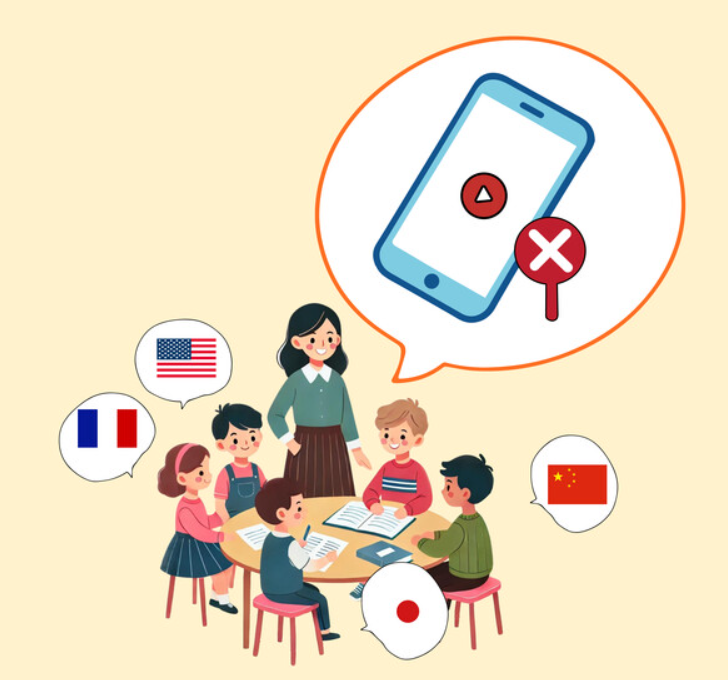
For the first time in Japan, an ordinance restricting the use of smartphones to less than two hours a day was enacted. The measure is aimed at protecting adolescents amid concerns that long-term use of smartphones can lead to reduced sleep time and lower education levels.
According to the Nihon Keizai Shimbun on Sunday, the city council approved an ordinance limiting smartphone usage to less than two hours a day in Toyoake City, Aichi Prefecture. It is the first time in Japan that a smartphone usage ordinance specifying a specific usage time has been enacted.
The ordinance will go into effect on October 1. All citizens are eligible. Toyoake City Mayor Masanori Kobuki told reporters after the ordinance was passed. “I hope that citizens will take this opportunity to check their own smartphone usage and the resulting reduction in sleep time.” The ordinance does not have a penalty regulation and is “just one standard,” Kobuki explained.
In the background of Toyoake City’s push for the enactment of the ordinance, there was a perception that smartphones were preventing students from returning to society. In addition, it was pointed out that children’s long use of smartphones leads to lack of sleep or a lifestyle that changes day and night, which is one of the reasons for not going to school.
Local governments already restrict the use of online games, including smartphones, in Japan. Kagawa Prefecture implemented the “Kagawa Prefecture Ordinance on Internet and Game Addiction Measures” in 2020. It set the game usage time for under-18s to be within 60 minutes per day on weekdays and 90 minutes on holidays, and stipulated an obligation for guardians to try to comply with these standards.
Long-term smartphone use continues to increase, especially among the younger generation. According to a survey conducted this summer by First Innovation, a Tokyo corporation that supports SNS operations, the largest percentage of daily usage hours was “two to four hours,” accounting for 22% of the total. It is said that people in their teens and 20s use it more than six hours a day.
The Japanese government is also watching the impact of smartphone dependence on academic background. In the ‘Year-by-Year Change Analysis Survey’ (2024), which measures the academic background of elementary and middle school students, the score was lower than that of the 2021 survey in all subjects. The Ministry of Education, Culture, Sports, Science and Technology pointed out, “There is a possibility that long-term use of smartphones may have affected academic background.”
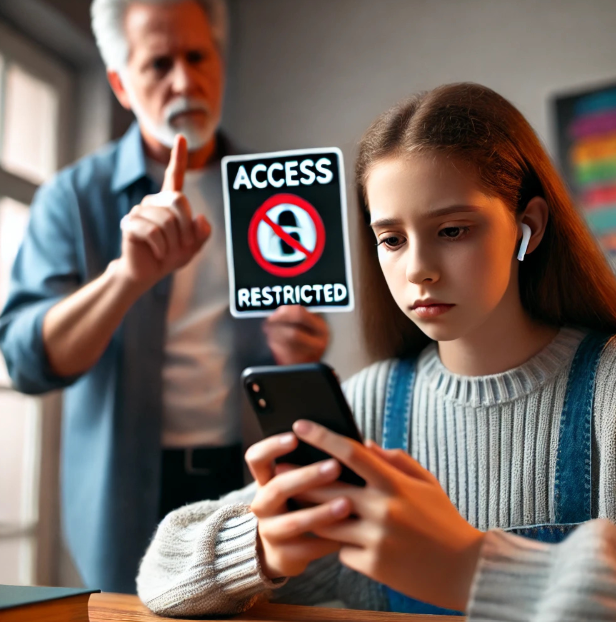
There are also a series of moves to regulate the use of it overseas. In Australia, a law banning the use of SNS by under the age of 16 is scheduled to take effect in December. If service providers neglect to block children’s access, they will be fined up to A$49.5 million.
In an exclusive interview with the Nihon Keizai Shimbun, European Union Commissioner Mark Gras said that Australia’s move was “a landmark attempt, and we want to keep an eye on the consequences.” The government will listen to experts and review the need for a ban on minors.
In the U.S., a law was enforced in the southern state of Mississippi requiring SNS companies to verify their user age from 2025 and requiring those under the age of 18 to obtain parental consent. More than 45 of the 50 U.S. states are moving to introduce child protection policies such as social media regulations.
In the Toyoake City Council vote, seven out of 19 people opposed it. Some city council members expressed concern that “there is a fear of deep involvement of the administration in the private living sphere.”
Senda to study children’s Internet environmentSaito Nagayuki, a professor at the university, pointed out, “It is desirable for the administration to urge citizens to use smartphones appropriately, but simply limiting the usage time may not solve the problem.” In addition, Akiko Takahashi, a visiting professor at Seikei University, said, “Rather than regulating the tool itself, focusing on specific uses such as games and SNS will gain more sympathy.”
JENNIFER KIM
US ASIA JOURNAL

