


This is because it encourages obesity, causes sleep disorders, and reduces concentration. Drinks containing more than 150mg of caffeine per liter are regulated.
Putting together the BBC and Guardian reports on the 2nd, the new legislation is to fulfill the pledges made by the ruling Labour Party in last year’s general election.
Health Minister Wes Streeting said, “How can children do well in school when they consume caffeine equivalent to a double espresso every day?” and pointed out, “Energy drinks seem harmless, but they actually harm sleep, concentration, and overall well-being of children, and high-sugar products harm dental health and cause obesity.”
It is estimated that up to a third of British children consume energy drinks every week. Some popular drinks contain more caffeine than two cups of coffee.
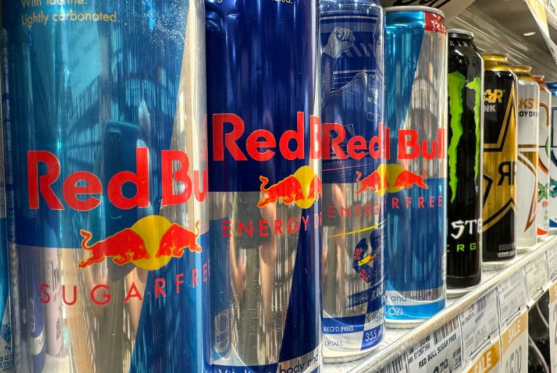
For example, a 250ml can of Red Bull contains 80mg of caffeine, which is the same as a cup of espresso or two cans of coke.
Soft drinks such as diet coke, tea, and coffee, which have relatively low caffeine content, are not subject to regulation. The government will hold a public hearing for the next 12 weeks to collect opinions from health and education experts, general consumers, retailers and manufacturers.
However, it is unclear exactly when the sales ban will take effect. The government plans to push for a ban on sales through sub-legislation under the Food Safety Act 1990.
Earlier, large supermarket chains had voluntarily banned the sale of energy drinks to teenagers under the age of 16 since 2018. However, it is still available for purchase at small convenience stores.
The dangers posed by energy drinks and the problem of class interference have been continuously raised.
Teachers were concerned that children who drank energy drinks on their way to school in the morning could not stay still for a moment in class.
One teacher said, “Students cannot concentrate and sit still, and they drink energy drinks just because they are ‘cool.'” Another teacher complained, “Energy drinks prevent students from focusing on class and make them louder and more distracted.
Excessive caffeine consumption can speed up your heart rate, arrhythmia, or even seizures. It is also associated with headaches and sleep disorders, and although rare, there have been cases of death due to excessive intake.
Experts warn that adolescents may be more sensitive to caffeine because they are smaller in physique and have a still-developing brain. For adults, 400 milligrams a day (about 4 cups of instant coffee and 5 cups of black tea) is known to be safe.
Energy drinks also threaten dental health.
The British Dental Association (BDA) argued that even zero-collateral energy drinks should be included in the regulation. Eddie Crouch, president of the association, said, “There is no reason why products that make habits, have high acidity, and contain up to 20 teaspoons of sugar should be included in children’s diets.”
JULIE KIM
US ASIA JOURNAL

