



The European Union (EU) has banned the use of trimethylbenzoyl diphenylphosphine oxide (TPO), a key ingredient in gel nail polish, saying it may have a harmful effect on the human body.
According to the British Independent on the 2nd, the European Union has banned the use of TPO, a key ingredient used in gel nail polish, in all cosmetics.
The European Union announced the decision in May last year, and the measure took effect on the 1st.
TPO is newly listed on the list of prohibited cosmetics.
TPO, which is mainly contained in gel nail polish, is a material that reacts to ultraviolet lamps to help nails harden quickly and maintain color for a long time. The gel nail method is widely used in Korea because of its excellent durability and durability.
However, animal experiments have pointed out fertility, hormonal disturbance, and the possibility of cancer.
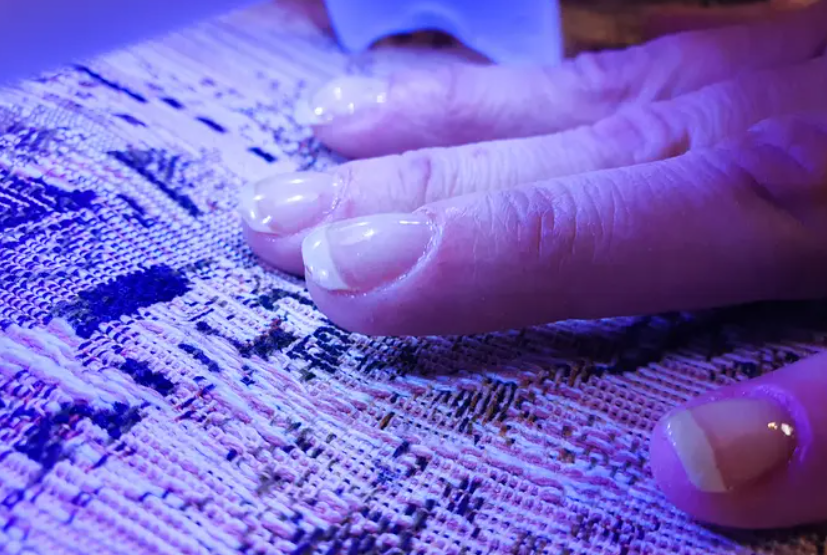
TPO caused side effects such as complete infertility in female mice, reduced testicular size in male mice, and sperm depletion.
The European Union said the ban was imposed as a “preventive measure,” although large-scale tests on humans have not proven to be harmful. The measure only applies to cosmetic ingredients.
The move will prevent hair salons and vendors in 27 EU member states and countries that follow regulations such as Norway and Switzerland from immediately using and selling products containing TPO.
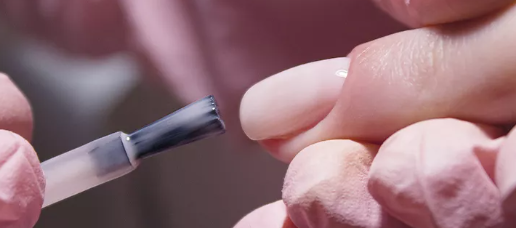
Inventory already in possession must also be discarded, and manufacturers must rebuild their products with alternative ingredients.
The British Cosmetics Trade Association said it recognized the need for regulation, saying, “We could not request an exception to the regulation because we could not scientifically prove that there were no substitute ingredients for TPO.”
On the other hand, some nail industry insiders are opposing the regulation, citing insufficient scientific evidence. A Belgian wholesaler has launched a website against the ban.
The ban is expected to have a significant impact on the overall nail industry in Europe. Consumers may also have fewer product options for the time being, and the industry is expected to develop new ingredients.
SALLY LEE
US ASIA JOURNAL

