



According to French daily Le Figaro, a 29-cent baguette has appeared at large supermarkets such as Lidl and Aldi with the start of a new semester in September. This is about 70 percent cheaper than the average price of 1.09 euros for a bakery baguette in France.
Dominique Enrak, chairman of the French National Baking and Confectionery Association (CNBP), said, “It is a bait to attract customers,” adding, “It will bring down the entire bakery industry.”
The reason why large supermarkets can sell baguettes at exceptional ultra-low prices is that they cost less labor than regular bakeries.
“The labor cost of a bakery accounts for more than 40 percent of the production cost,” Anglak said. “Homemade bakeries make dough longer, shape themselves, and bake bread on the spot. It can take several hours just to ferment.”
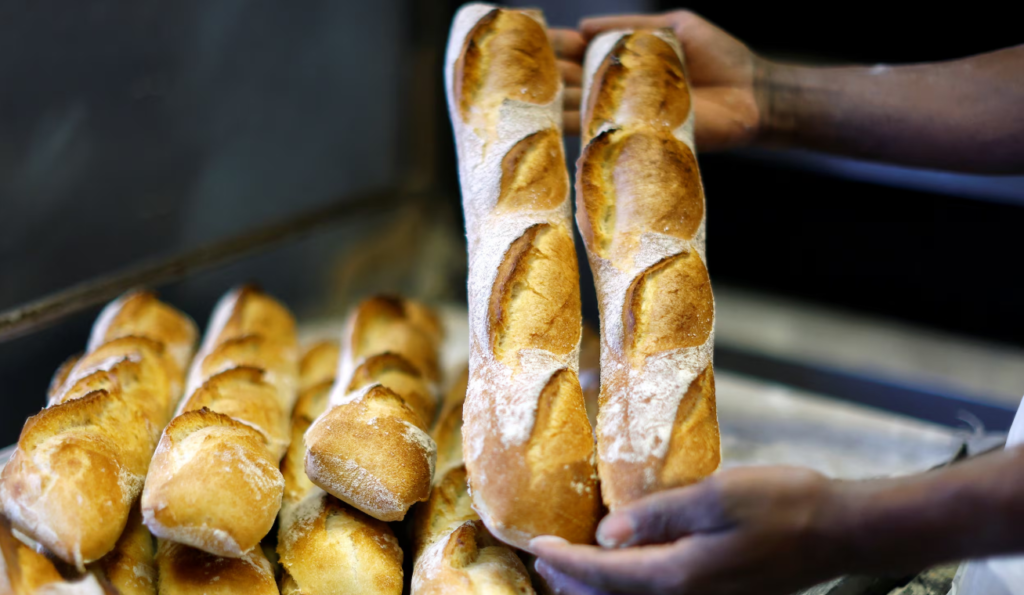
On the other hand, large supermarkets can make bread with an automated process and supply baguettes at a low price. They can produce 10,000 baguettes per hour, but only 400 to 600 breads per day can be produced by bakers, Chairman Enlak said. “There are no people behind baguettes in large supermarkets, only machines.”
In addition, fixed costs such as rent and electricity and water bills account for about 20% of the baguette price, which also affects the price of traditional bakeries, Chairman Enlak explained.
“For us, baguettes are a mass product and a very efficient operating model that enables a significant economy,” Lidl’s purchasing manager, Toma Brown, told RMC Radio.
Regarding concerns that “factory baguettes destroy the entire value chain,” Le Figaro said, “traditional bakeries still dominate the baguettes market,” adding, “In fact, large retailers account for only 9% of the total baguettes market.”
SAM KIM
US ASIA JOURNAL

