


In March, Forever 21, a large U.S. fast fashion retailer, filed for the second bankruptcy protection since 2019. Forever 21 is a brand founded by Korean-Americans who moved to California from Korea in the 1980s.
Once a brand offering affordable and stylish clothing, it grew rapidly, gaining popularity among young people. In 2016, at its peak, it operated 500 stores in the U.S. and 800 stores worldwide. However, after the pandemic, the online shopping market grew rapidly and the decline of large shopping malls in the U.S. accelerated, leading to worsening business management. Forever 21 is not the only American fashion company that has declined due to online shopping. Famous brands such as J-Crew, Gap, and Brooks Brothers are also on the verge of bankruptcy, but are struggling to revive themselves.
The global fashion industry seemed to survive only fast fashion companies that effectively combined online and offline like Zara and Uniqlo and platforms that swept the world online like Shein.
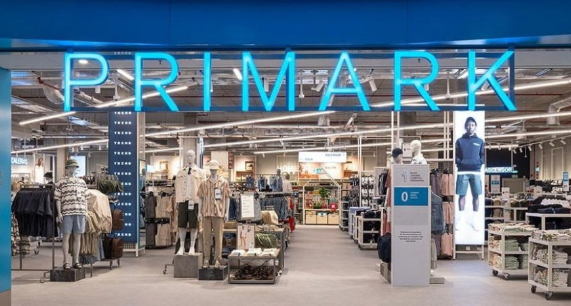
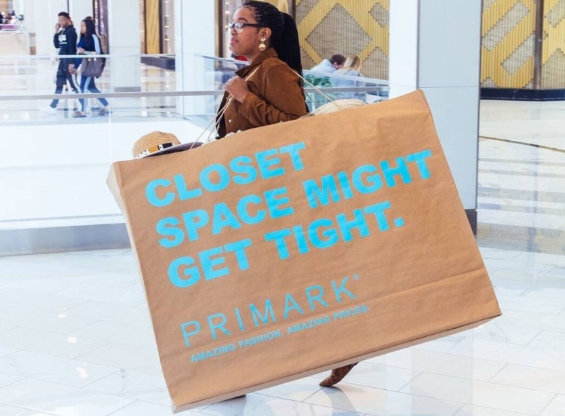
However, there are brands that are on a roll in Europe and the U.S. while not selling online but only operating offline stores. Primark, a fashion brand that sprouted in Ireland and blossomed in the UK.
As of March this year, Primark has 459 stores in 17 countries around the world. In the U.S., it plans to open its 31st store in Memphis later this month. In 2019, before the COVID-19 pandemic, it had nine stores in the U.S.
Primark uses its strategy of sewing and selling clothes through super-sized offline stores. It sells t-shirts and pants in the 10,000 to 20,000 won range. Online sales are expensive to pack, deliver, and return, and we don’t deal with them as being difficult to manage inventory.
Only in the UK, we offer a Click & Collect service where you order online and pick it up in brick-and-mortar stores. This is to encourage you to visit the store so that you can pick up your clothes and then purchase additional products.
We don’t do costly general advertisements, but actively market influencer on social media. In the UK, the word “pri-mania” has also been coined to refer to someone who loves Primark. Primark’s parent company is Associated British Foods, a British food and beverage company. Out of total sales of 9.59 billion pounds in the first half of fiscal 2025 (September 2024-March 1, 2025) the clothing retail sector accounted for nearly half of the total sales of 4.472 billion pounds. The company name Food feels awkward.

However, AB Foods is also the UK’s largest food company. Excluding clothing retail, the rest of its sales consist of food-related businesses such as food, food ingredients, sugar, and agriculture. AB Foods is based in a baking company founded in 1935. Since then, it has various brands through aggressive mergers and acquisitions. Rivita, Allinson, Majola, and Aladdino are well-known.
Perhaps the most famous brand is Britain’s representative tea drink, Twinings. It is one of the oldest brands in the world, which opened its first tea room in London in 1706. It was acquired by AB Foods in 1964.
Despite the fall in earnings for the first half of fiscal 2025, experts have a bright outlook for AB Foods shares. Operating profit fell 10% year-on-year to 818 million pounds in the first half. While double-digit profit margins in the sugar sector disappeared, gains in retail, food and food ingredients sectors all improved. Notably, we note Primark’s growth in U.S. and other global markets.
Shares of AB Foods, listed on the London Stock Exchange, closed at £20.54 on the 11th, down 17.97% over the past year. Global investment bank Deutsche Bank recently recommended “holding” investment opinion and offered a target price of £22.2pp.
SAM KIM
US ASIA JOURNAL

