


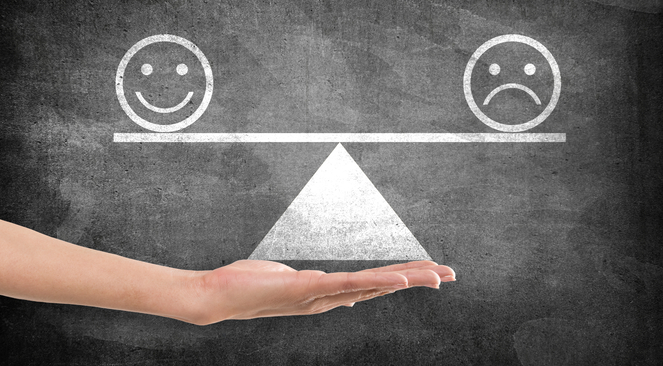
The “smile” emoticon is said to be used as a slang for drugs among Generation Z (generation born between 1997 and 2006), symbolizing mockery or ridicule.
According to the New York Post on the 15th, Amit Kali, the founder of For Working Parents, a U.S. family support group support site, explained, “The basic emoticons commonly used by teenagers on social media such as Instagram have a completely different meaning than we think.” The New York Post said, “The ‘Smile’ emoticon with a yellow smiling face is taken in a completely different sense for those under 30,” adding, “It may be used to ignore or outright sarcastically, and it may hurt the feelings of sending the emoticon to the other person.”
The Wall Street Journal (WSJ) also reported that people in their 30s use the basic emoticon as a positive meaning of happiness, while those in their teens and early 20s interpret it as an aggressive meaning as if the other person is trying to teach them.
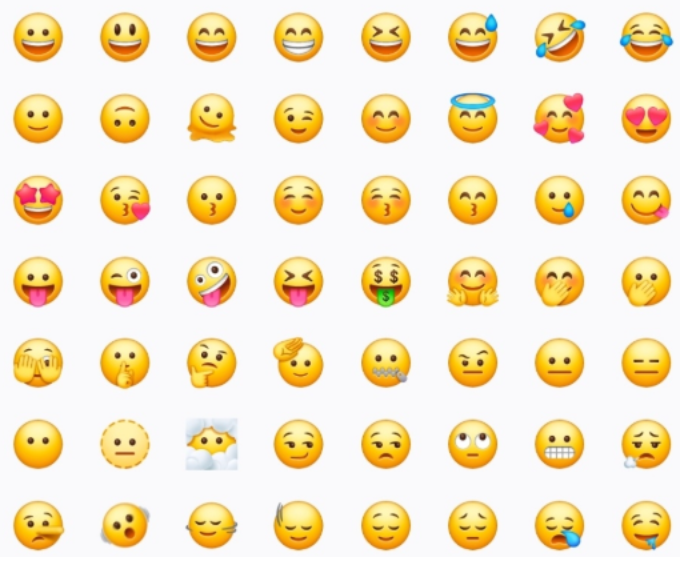
Hajjat Vish, who works for a media company in Brooklyn, said he was embarrassed when he received a basic smile emoji from his colleagues when he joined the company.
“I felt like I was being ignored. I didn’t mean it with a sincere smile, but rather with a sideways glance,” he said. “I had to take into account that my colleagues are older than me. I use this emoji as a sarcastic meaning.”
Erica Dhawan, author of “Digital Body Language: How to Build Trust and Connectivity Regardless of Distance,” explained, “Those over 30 years of age interpret the basic emoticon as it is, but for Gen Z, which is a digital native, they understand the emoticon as a completely different semantic system.”
JULIE KIM
US ASIA JOURNAL

