


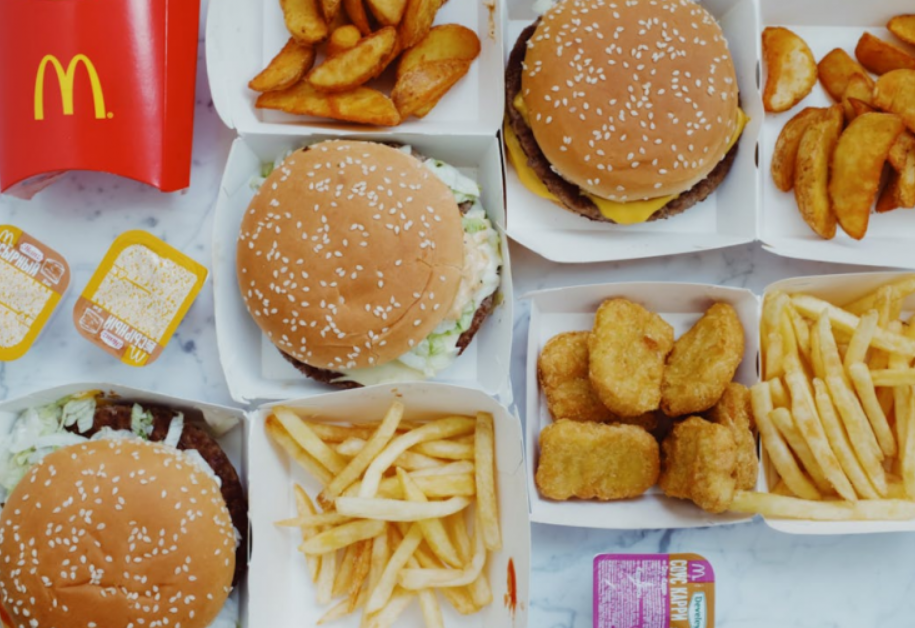
The story of a young man who used ChatGPT to eat for free at McDonald’s for about a year has been told. On the 11th, the U.S. science media Glass Almanac reported that a man in the U.K. used ChatGPT to get a free meal ticket by filling out a customer satisfaction survey. The man came up with an idea when he saw the McDonald’s receipt. The McDonald’s receipt has a unique code that leads to a customer satisfaction survey, and most people throw away the receipt, but this wise young man seized the opportunity, according to the media.
After filling in the complaints about McDonald’s in ChatGPT, he asked the company to write a detailed and exaggerated review. He also added a request that it be written in about 12,000 characters. In response, ChatGPT responded to McDonald’s excessive complaints, which forced the company to provide free meal vouchers as compensation. For more convincing reviews, the young man himself revised ChatGPT’s contents if there were any missing details or inappropriate parts to improve the completeness of the reviews. As a result, he received free meal vouchers from McDonald’s and sent them to other stores, each time he got them. The young man had been bringing free meal vouchers for nearly a year. However, as local McDonald’s discovered this, the youth’s receipt review activity to get free meal vouchers ended.
Regarding the young man’s case, the media said, “The potential of ChatGPT depends on the user’s creativity,” adding, “No one expected ChatGPT to make McDonald’s available for free, but a young man did it.” The media then evaluated it as a “good example of creative use of AI,” but emphasized, “Ethical guidelines and supervision are essential to prevent misuse.” This is because young people have benefited in this way, but it can harm companies and other consumers. Earlier in March, there was a controversy over ChatGPT’s creation of fake receipts. In the community, images of receipts created using ChatGPT appeared one after another. In particular, it was created at a level that was almost difficult to distinguish from actual receipts by adding stains or crumpled effects on food or beverages. Some fake receipts found errors due to numerical vulnerabilities in large language models (LLM), such as incorrect sums of food prices or commas used instead of periods. However, since minor errors can be easily corrected using Photoshop, there are concerns that they are likely to be abused for fraud.
In response, OpenAI said, “The image generated by ChatGPT includes metadata called AI generation, and we will take action if users violate the usage policy.” However, he stressed, “The goal of the image generation function is to provide users with maximum freedom of creation,” adding, “The fake receipt created by AI can be used for other purposes, such as product advertising, not fraud.”
JULIE KIM
US ASIA JOURNAL

