


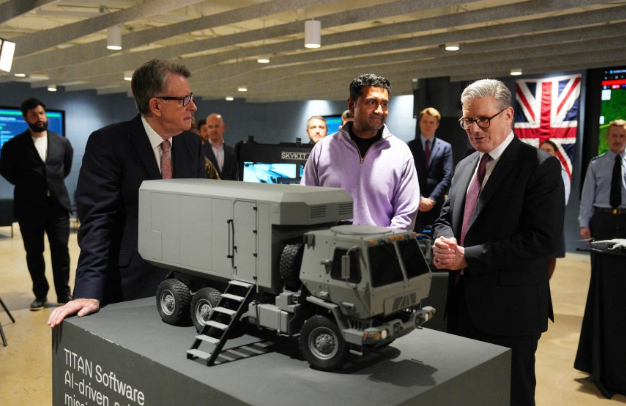
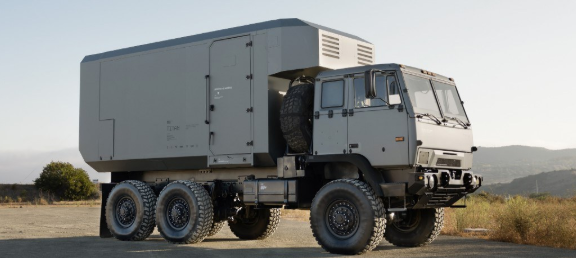
The U.S. Army has introduced a prototype of its artificial intelligence (AI) mobile combat command post called Titan. The system developed by Palantir, an AI software company, supports real-time operational decisions by integrating battlefield data and is considered a symbol of national defense digitalization as it is a software-oriented weapon system. According to a report by Bloomberg on Wednesday, Titan operates by collecting information on operational sites such as tanks, artillery, and troops and linking them with its headquarters through satellite feeds. The collected data is organized in real time through AI analysis, enabling fast decision-making in complex combat environments. Its official name is “Tactical Information Target Access Node.”
The structure of the existing defense industry will also be altered by this system. Palantir was chosen as the project’s main contractor, beating RTX, a major U.S. defense contractor. This marks the first time a software company has taken a central role in the U.S. battlefield system. Palantir worked with defense companies such as Northrop Grumman, L3Harris, and Anduril to produce hardware.
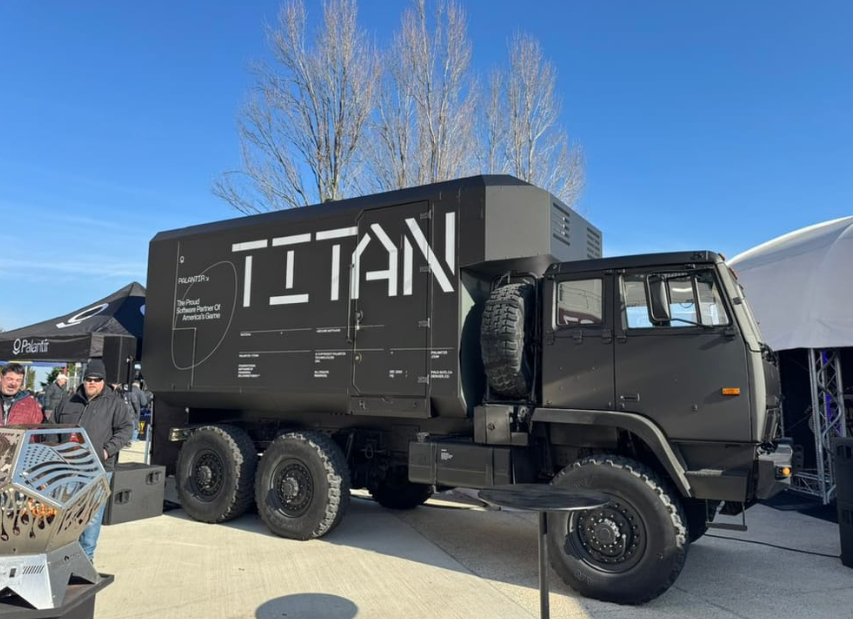
Palantir has provided information analysis software to the military since its establishment in 2003, but through this Titan project, it has set a new standard for “software-oriented weapons systems.” Alex Karp, CEO of Palantir, is actively promoting Silicon Valley’s participation in defense, arguing that “technology companies should contribute to defense to protect democracy.”
In addition to introducing Titan, the U.S. Department of Defense is allocating more and more resources to startups to innovate the defense industry. New companies such as Anduril, Saronic, Shield AI, and Epirus that develop autonomous drones, unmanned watercraft, and high-power electromagnetic weapons are representative.
The Trump administration is expanding software-oriented weapons procurement. Secretary of Defense Pete Hegseth said that about $50 billion of all defense spending will be allocated to the introduction of innovative technologies. Deputy Secretary of Defense Stephen Feinberg also announced that agile startups will be incorporated into major supply chains through a phased procurement program reform.
Existing defense companies are also responding to this trend. Lockheed Martin is collaborating with more than 130 startups in AI, aerospace, and quantum technology. Silicon Valley investors are also moving to defense technology. Venture capital investments in U.S. defense startups have topped $7.1 billion since 2023, the highest ever, according to Bloomberg.
However, some criticize the move. Some worry that depending on a certain company like Starlink, political judgment can determine the success or failure of an operation in a battlefield. Senator Elizabeth Warren pointed out that billionaires like Elon Musk have excessive influence over defense spending, which is a new form of abuse of power.
JENNIFER KIM
US ASIA JOURNAL

