



Princeton University wrapped up its $320 million college bond sale on the 22nd local time.
The bonds issued this time are taxable bonds, with a maturity of five years and a credit rating of AAA, according to a notice from the university’s board of directors. The board did not specify what purpose the cash secured from the bond issuance would be used, but it is expected to use it to fill the funding gap caused by the Trump administration cutting off dozens of research funds for the project.
Universities can issue taxable and non-taxable bonds, and if you choose to issue taxable bonds, you will have to pay more interest, but it has the advantage of being relatively free to use.

According to the Wall Street Journal (WSJ), Harvard University secured funds by issuing $750 million in taxable bonds and Northwestern University $500 million in a similar manner prior to Princeton University.
Yale is seeking to sell $5.5 billion of its private equity holdings early.
When universities invest in private equity funds in terms of asset management, the maturity is usually around 10 years, and if they attempt to recover their investments before maturity, they should be prepared with a significant discount. In the case of Yale, it is reported that if the sale of a private equity stake is completed, about 90% of the face value can be recovered.
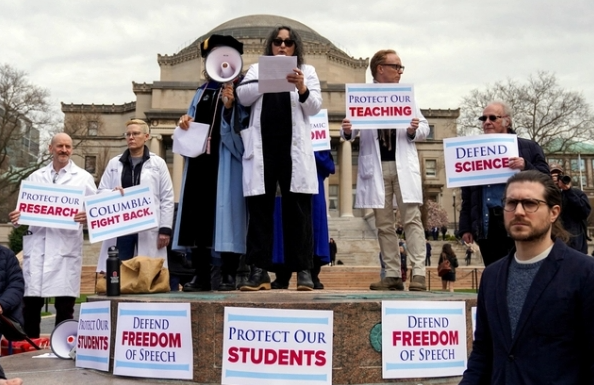
Universities are rushing to secure cash because there is a high risk that federal government-provided research funds, which have been a big part of university operations, will be cut off or cut off.
Northwestern University, which issued the bond last month, said more than three-quarters of the university’s research funding last year was for federal research, explaining it had decided to review spending and cut its non-human resources budget by 10%.
The amount of assets held by prestigious universities in the United States, especially private universities, is very large, but most of them are tied to long-term investments or real estate, or are limited to use only for donor-designated purposes, so university authorities cannot use them freely.
As a result, even Harvard University, which had the largest power generation fund in the United States at $50 billion as of June last year, had to issue bonds to raise operating funds in response to a sudden drop in income.
The Education Department of the second Trump administration has sent an official letter threatening 60 universities across the U.S. that they could take measures, including suspending research funding, saying they are investigating “anti-Semitic bullying and discrimination” at universities.
Most of the universities surveyed included prestigious universities such as the so-called Ivy League.

