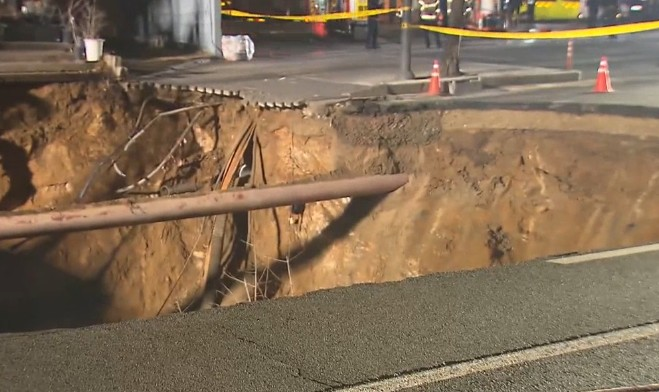
A growing number of sinkhole incidents have been reported across Seoul, raising public concern and prompting urgent calls for action. A sinkhole occurs when the ground collapses due to the weakening of underlying soil or infrastructure, creating large holes on the surface. On March 24 at approximately 6:29 p.m., a major sinkhole opened up at an intersection near Daemyeong Elementary School in Myeongil-dong, Gangdong-gu. The sinkhole, measuring 20 meters in width, length, and depth, swallowed a motorcycle driven by a man surnamed Park. He was found dead nearly 17 hours later. This marked the fourth fatality linked to sinkholes since 2014. While the exact cause of the collapse is still under investigation, authorities have confirmed that more than half of the sewer pipes in the area are over 30 years old. Experts and politicians alike are emphasizing the urgent need to replace aging infrastructure, as damaged sewer systems are considered one of the primary contributors to sinkholes.
Government Discloses High-Risk Sinkhole Zones Amid Public Anxiety
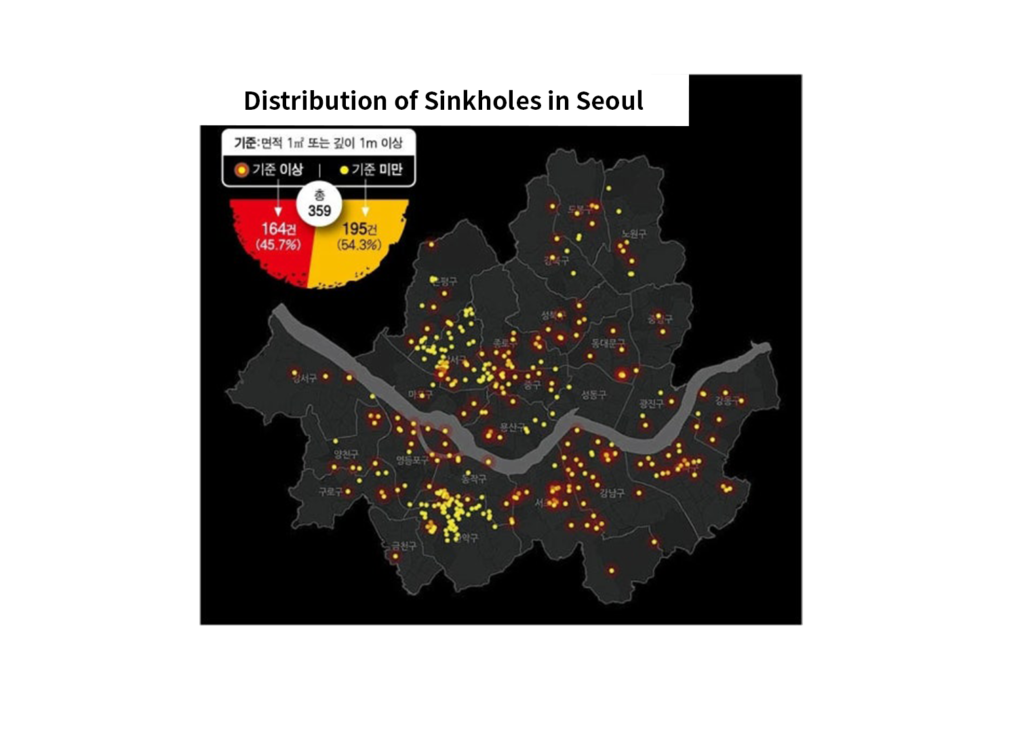
As public fear continues to grow, the government has released a list of high-risk areas for potential ground subsidence. According to a report submitted by the Seoul Metropolitan Government, 50 locations have been identified as high-risk for sinkholes. The city’s districts with the highest proportion of sewer pipes over 50 years old are:
- Jongno-gu
- Yongsan-gu
- Seongbuk-gu
- Yeongdeungpo-gu
- Mapo-gu
The issue isn’t limited to Seoul—ground subsidence is being reported in various parts of Gyeonggi Province as well. However, many local governments lack the systems needed to accurately assess and monitor at-risk zones. Officials admit that creating a comprehensive risk map would require billions of won in equipment and months of exploration.
When Real Estate Trumps Safety: A Moral Dilemma
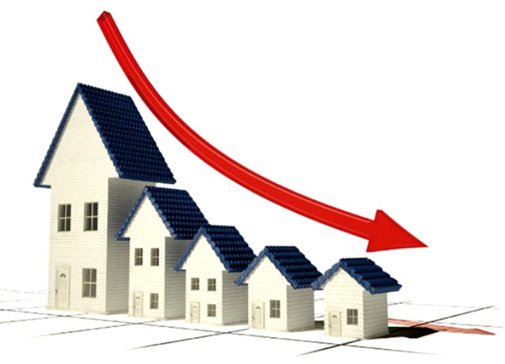
Despite the tragic death of a 34-year-old man, Seoul city officials have hesitated to fully disclose sinkhole risk zones, citing concerns over real estate values. Homeowners argue that labeling certain neighborhoods as dangerous could significantly reduce property values and jeopardize large-scale development projects, including subway expansions.
The fear of being stigmatized as a “collapse-prone area” has led to attempts to downplay the issue. One real estate agent working near the site of the incident reported a surge in inquiries—not about safety, but about potential price drops.
Are We Putting Property Above Lives?
The situation has sparked public outrage, with many questioning whether financial interests are being placed above human lives. “You can always earn money again,” one resident said. “But a life—once lost—cannot be reclaimed.”
This incident has once again laid bare a troubling truth: that even in life-and-death situations, silence and denial may prevail if money is on the line. It is a stark reminder of the values we must hold as a society.
US ASIA JOURNAL K-UNIV REPORTER
LIYEON KIM