


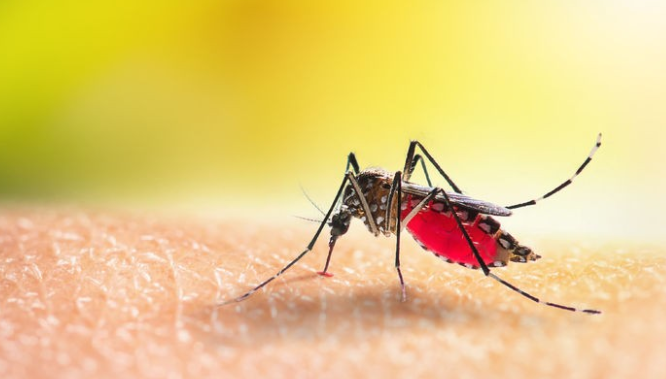
According to local media such as GMA News in the Philippines on the 17th, a local government in Mandaluyong City in the Philippines has decided to implement a policy to compensate mosquitoes or larvae with cash from the 21st. The measure is aimed at preventing the spread of mosquito-borne dengue fever.
One Philippine peso will be given per mosquito or larva, regardless of survival.
To this end, the local government has also installed a special glass container to collect mosquitoes and larvae. The container has a small hole through which the mosquitoes captured by the residents can be dropped. “This is a measure to curb and prevent dengue fever, which has been spreading in the local community since early this year,” a local government official said on the reward system.
When the news became known, it became a hot topic in various online communities and social networking services (SNS).
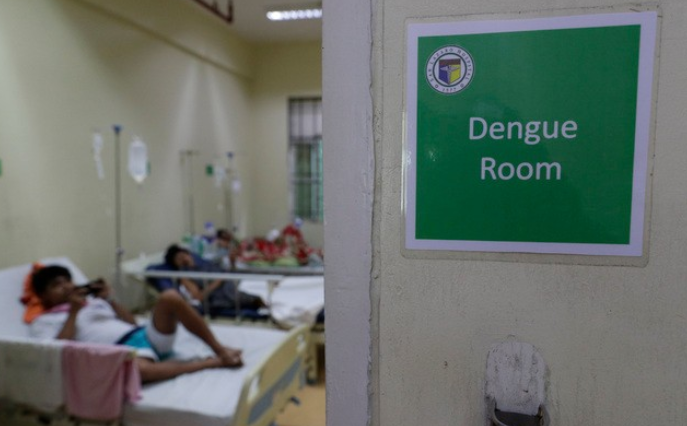
Internet users said, “It is questionable whether it will be effective in curbing and preventing the spread of dengue fever,” and added, “It will only have adverse effects. There will be people who purposely make mosquitoes breed in order to get rewards, and then there is a higher possibility that dengue fever will spread,” and added, “Wouldn’t it be better to spend money on making sure that there are no mosquitoes, such as hygiene and quarantine?”
On the other hand, dengue is an acute febrile disease that is transmitted while mosquitoes with dengue virus bite humans and is accompanied by high fever. When infected, symptoms such as acute headache, high fever of 40 degrees or higher, fatigue, severe muscle pain and joint pain, swelling of the lymph nodes, vomiting and rash appear.
It occurs mainly in Southeast Asia, and the epidemic period is the rainy season from May to October. Although it is a disease that does not exist in Korea, it is known that about 30 cases are reported every year after visiting a epidemic area.
JULIE KIM
US ASIA JOURNAL

