


According to the Asahi Shimbun, 63 percent of the respondents and 29 percent opposed the introduction of the system, according to a two-day poll conducted from the 15th.
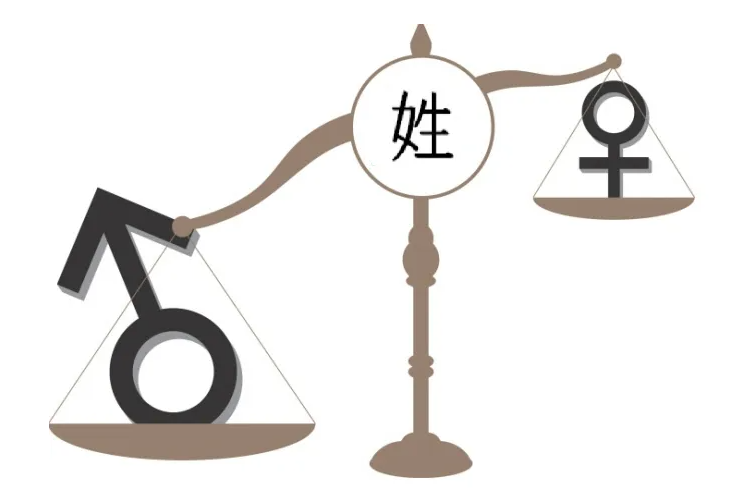
The selective marital last name system is a system that allows a wife or husband to choose autonomously whether to follow the other’s gender when married.
The current law stipulates that couples should legally use the same surname as soon as they register their marriage, leaving it up to their individual choice whether to use the same surname or different surname. The system allows couples to use the same surname, but most of them follow the husband’s surname.
There was little difference between men and women in the survey, and approval was significantly higher among all ages until the 60s, except for those in their 70s and older, where the reversal of pros and cons occurred.
By supporters, 67 percent of non-partisan parties, 63 percent of supporters of Prime Minister Shigeru Ishiba’s Cabinet, and 59 percent of supporters of Japan’s Liberal Democratic Party support the selective marital separation system.
Regarding the opinion that the marital last name system weakens family ties, 65% said they “disagree” and 30% said they “agree.”
Japan’s ruling Liberal Democratic Party and the opposition Constitutional Democratic Party are scheduled to start discussing the introduction of the system in earnest this month.
Within the Liberal Democratic Party, there are conflicting opinions on the introduction of the marital gender system. The “Cautious Principle” side is considering ways to allow couples to use separate surnames but officially maintain the same surname more widely.
The Constitutional Democratic Party is pushing for a bill to introduce a marital separation system.
Meanwhile, the survey was conducted through wired and wireless RDD. A total of 1,111 people participated in the survey, with 430 out of 917 fixed-line households (47 percent) and 681 out of 1,719 wireless households (40 percent).
EJ SONG
US ASIA JOURNAL

