


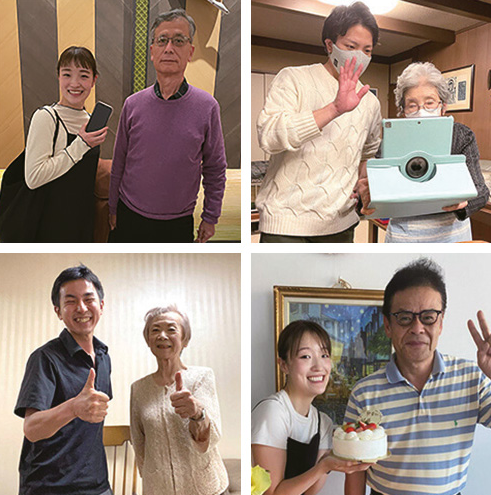
In Japan, which entered the super-aged society before us, college students, who are grandchildren, have attracted attention by appearing as “partners” for the elderly living alone. The main character is the “Moto Mate” service, which came from the idea that MZ generation (millennial + Z generation) and Young Old (young elderly) can escape psychological isolation by communicating periodically.
The service, which means “good partner,” has been operated in Japan since 2020 under the concept of “grandchild generation partners who realize the well-being of senior generations.” A company that operates it, “A lot of elderly people are lonely apart from their financial comfort. It aims to relieve the loneliness and isolation of senior generations and to increase their self-reliance and dignity,” explained “Age Well Japan, a company that operates it.”

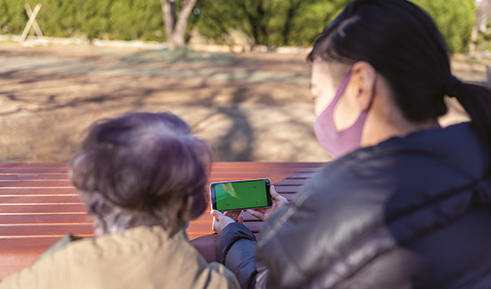
As a member of the service, a paired college student regularly visits the home to teach you how to use a smartphone or home appliance. He is a companion for the elderly and sometimes accompanies them when they go out. “College student partners” carry a customer’s medical record card every time an elderly person visits, and fill out three to four questions out of about 150 questionnaires. For example, an elderly person asks about an elementary school he graduated from, searches that school on Google Maps, and searches for a school song on YouTube, and acquires digital knowledge from familiar things.
It is evaluated that they have dug into the gap between the existing housekeeping agency and nursing services by having regular conversations and listening to each other’s individual concerns. Another advantage is that they can treat each other comfortably without prejudice because they have surpassed one generation than similar generations.
‘College student partners’ receive strict education and are put into the field. In an interview, you should be able to answer in-depth questions such as ‘who and why are you respecting?’ As much as you have to communicate with the elderly, it is important to consider whether you have the heart to thank and respect the other person.
After passing the exam, students are educated to focus on communication with the elderly. In particular, they go through training on behavioral guidelines and hospitality training on how to discover the other person’s needs and how to respond to the needs, and the hourly wage varies depending on the level.
SAM KIM
US ASIA JOURNAL

