


Venezuelan slums…There is no government water service, UN “One in 10 people in the world can’t use the water they need on time” “Water pollution and hygiene problems…” 1.4 million deaths a year”
“There will be a shortage of water in a good place now…Increased investment.” About 2 billion people, a quarter of the world’s population, are exposed to various diseases using urine-contaminated water as a drinking water source.In other words, the United Nations holds a general meeting to discuss measures for the first time in 46 years.
Plastic barrels are lined up along the road at the foot of the mountain.
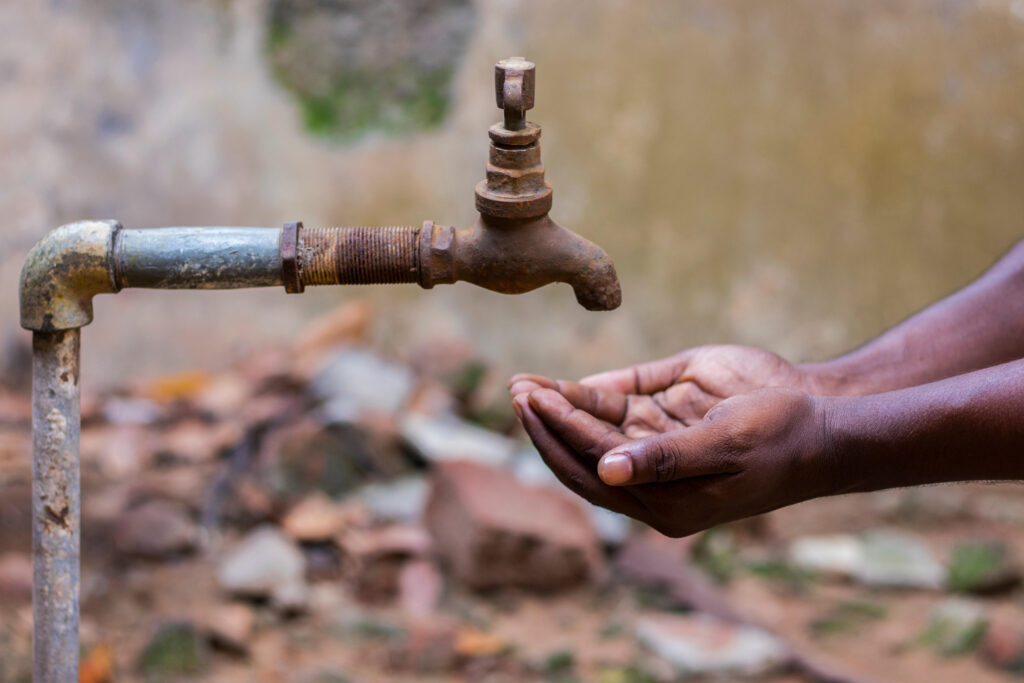
It’s to get water flowing down the mountain.Many people drive here for hours to get water.It is a familiar daily life in Venezuela, where not only living water but also drinking water is scarce.[Johnny Cuello / Local resident: I come here once a week and get drinking water for nearly two hours. Otherwise we don’t have water available.] The more difficult the life is, the worse the water situation is.
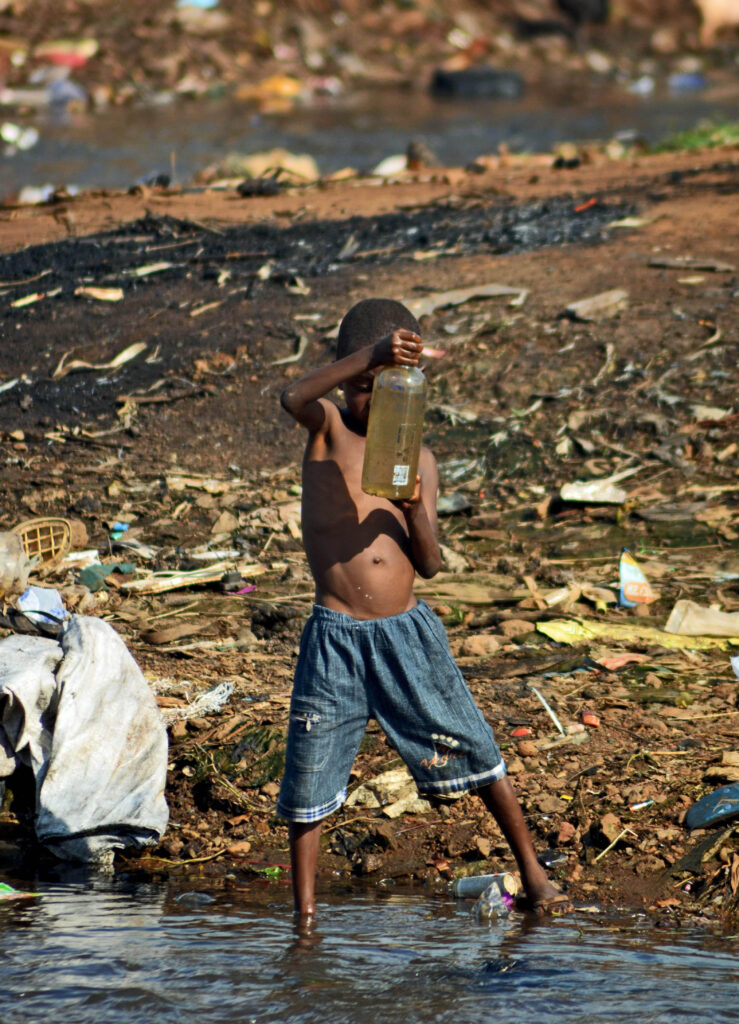
This is because the government’s water service does not extend to the slums, and even if it exists, it cannot afford the cost.The old man in his 70s says he has already lived without tap water for more than 20 years.[Carmen Utria / Venezuelan Petare resident: Water sold in water trucks costs $2 to $2.5 per barrel. It’s too expensive.There are people who sell well water, but that’s cheaper.] According to a report published by the United Nations on World Water Day, one in 10 people worldwide are not getting the water they need on time.In particular, about 2 billion people are exposed to various diseases as they use contaminated water as a drinking water source.The United Nations says it kills 1.4 million people a year.He also said that even the region without problems now will face water shortages due to global warming, suggesting that investment be tripled to the current level for safe water.
Against this backdrop, for the first time since 1977, high-level representatives from each country gather to discuss water shortages.South Korea will also attend the meeting, where 118 countries will introduce policies and technologies to solve the water problem.
Chang-young CHOI
US ASIA JOURNAL

