


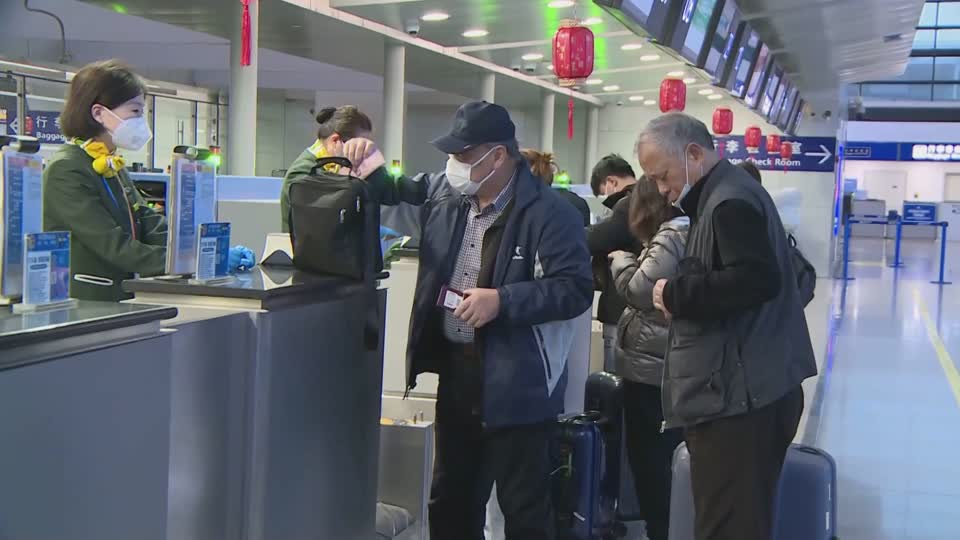
Since the Chinese government eased its strong COVID-19 quarantine policy, more and more Chinese are visiting Thailand for real estate investment or residence. Analysts say that as the Chinese economy has been directly hit by the COVID-19 blockade and authorities have tightened crackdowns on real estate and IT technology, they are trying to immigrate to Thailand, which has a bright economic outlook and is culturally familiar.
Hong Kong’s South China Morning Post (SCMP) reported on the 27th that Southeast Asia has been rising among Chinese investors since the easing of Zero Cobid late last year. China’s upper-middle class is trying to stay in Southeast Asia, where prices are relatively cheap but have potential for growth, to prepare for China’s economic pressure and make future plans. Since COVID-19, inquiries from real estate companies have also surged, asking, “Is there a place to live outside China right now?”
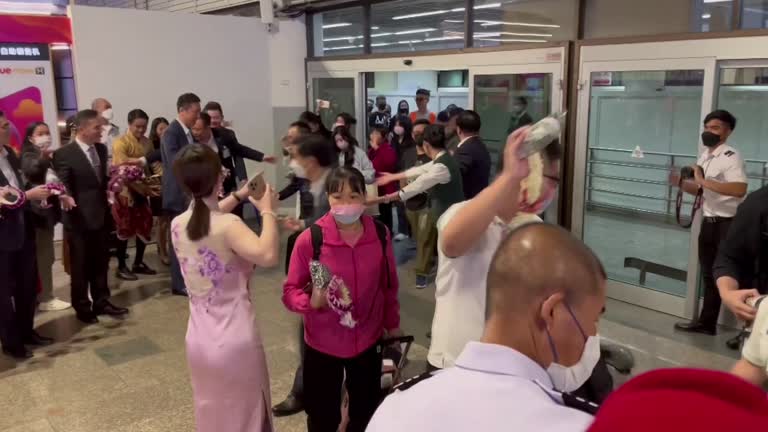
In particular, Thailand is a representative country that Chinese people pay attention to. Thailand has a big city called Bangkok and is geographically close to China. It is said that the food and culture are also familiar to the Chinese. Global real estate company Zhuwai IQI said that as soon as China eased quarantine in December last year, Thailand became the third most popular real estate investment destination for Chinese people. Also, in Thailand, foreigners can legally buy a house. Currently, about 30,000 Chinese are estimated to own real estate in Thailand.Adam Chan (35), a freelancer in the media sector in Henan Province, China, left for Thailand in August last year. He looked for a place to move out of the COVID-19 lockdown, but decided to move to Thailand after learning that Thailand’s houses cost 3 million to 4 million baht (110 million to 150 million won) per house. The Adam and his wife bought a total of five houses in Thailand, including two in Bangkok. “We decided to invest in real estate considering that Thailand is the most stable Southeast Asian country,” Chan said.Mike Diao, 36, from Guizhou, China, who immigrated to Thailand 18 years ago, already owns six properties. “There are few legal regulations on rental and rental income is stable,” he said. “The Thai real estate market has great potential.” “Those who were trapped in China due to COVID-19 have become very interested in Thailand,” he said. “They are geographically close and have the impression of a stable country while distributing assets.”
Song Sung-woon, an economist at CIMB Bank in Singapore, said, “Chinese people want to move their assets to countries with risk-distributed and opportunities,” adding, “Some are concerned about the economic downturn caused by China-U.S. relations, and Thailand is unlikely to be embroiled in such geopolitical risks.”
SOPHIA KIM
ASIA JOURNAL

