


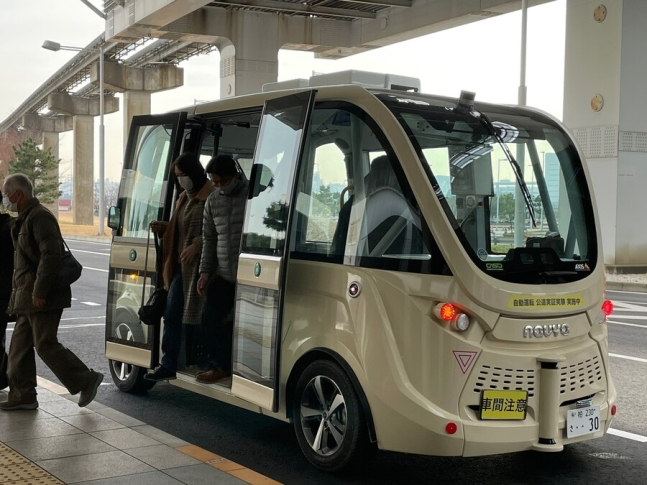
A bus stopped in front of Haneda Airport Terminal 3 in Ota-ku, Tokyo, began to move. The bus, which can be operated without a steering wheel or driver’s seat, is an autonomous bus operated by Haneda Innovation City, a large-scale complex that advocates a future smart city. It was made by Nabiya, a French company, the size of a minibus that seats about 10 passengers. The bus is undergoing an autonomous driving demonstration from the 5th to the end of March. It travels about 3.9 kilometers at a maximum speed of 20 kilometers per hour. From Haneda Airport Terminal 3, which is one stop away by subway, go to and from Tenkubashi Station, where Innovation City is located.
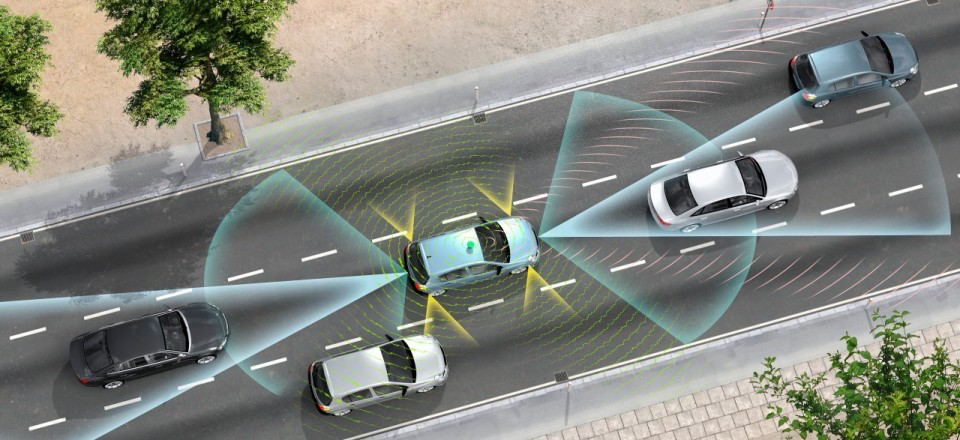
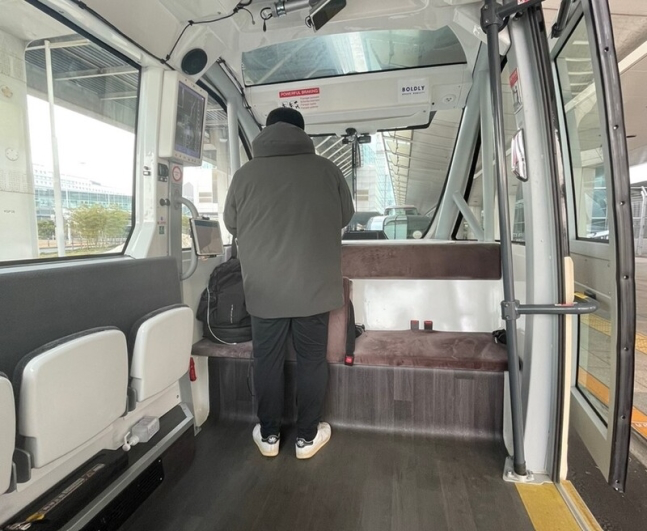
Because it is driven by autonomous driving, one operator is on the bus instead of the driver. He had a controller like a joystick in his hand. Inside the car, there is also a terminal that allows you to see the road and driving situation at a glance. It is a structure that identifies the location of autonomous buses with GPS, detects obstacles with cameras and sensors mounted on vehicles, and moves according to predetermined routes. The operator said, “Driving is usually left to the autonomous driving system. “We are only using the controller in dangerous situations,” he said.
An operator will board the autonomous bus operated by Haneda Innovation City instead of the driver. Inside the vehicle, there are no handles and driver’s seats, but there is a terminal that allows you to see the road and driving situation at a glance. The bus drove safely on straight and curved roads mixed with trucks and cars on public roads. Except for the slow speed, it was hard to think of it as an autonomous bus. In the middle of the bus, the bell rang quite a few times. The operator said, “When obstacles such as traffic lights or cars in front of them appear, the sensor operates and the bell rings. It’s a device for safety,” he explained.
The bus runs 8 times one way and 16 times round trip from 10 a.m. to 4 p.m. It takes about 10 minutes by one way to the destination. It runs free of charge, and anyone can ride it if they make a reservation in advance. Perhaps that’s why there were quite a few passengers using it even during the daytime on weekdays. Haneda’s self-driving bus has been piloted inside and outside the Innovation City since September 2020.Japan has changed its Road Traffic Act and allowed “Level 4” driving, which is responsible for all operations of vehicles in limited areas or environments, since April this year. In other words, you can see a ‘driverless bus’ on the road. The American Automotive Engineering Association divides autonomous driving of vehicles into 0 to 5 stages. Humans intervene until the second stage, and the system becomes the subject from the third stage. Step 4 requires the system to be able to respond to dangerous situations, and step 5 refers to full autonomous driving.In Japan, it is predicted that after the system is implemented, Haneda in Tokyo and Eihage-cho in Fukui Prefecture will apply for “Level 4” early. If level 4 is recognized, the operator does not have to get on the Haneda autonomous bus.In Japan, self-driving experiments are being actively conducted not only in cities dreaming of smart cities but also in various parts of the country. In Eiheiji-cho, Fukui Prefecture, “driver-less self-driving cars” have been in operation since March 2021. It is a golf course “electric cart” type car that can accommodate about six people and runs on a road dedicated to bicycles and pedestrians. There is a facility nearby that remotely manages self-driving cars, and the person in charge responds to emergency situations through cameras installed in the car. Although it is about 2km long, self-driving at the level of “Level 3” is taking place. It is used as a means of transportation for the elderly and students in the village. The number of tourists on board is also increasing.It runs round-trip from Haneda Airport Terminal 3, one stop by train, to Tenkubashi Station, where “Innovation City” is located.
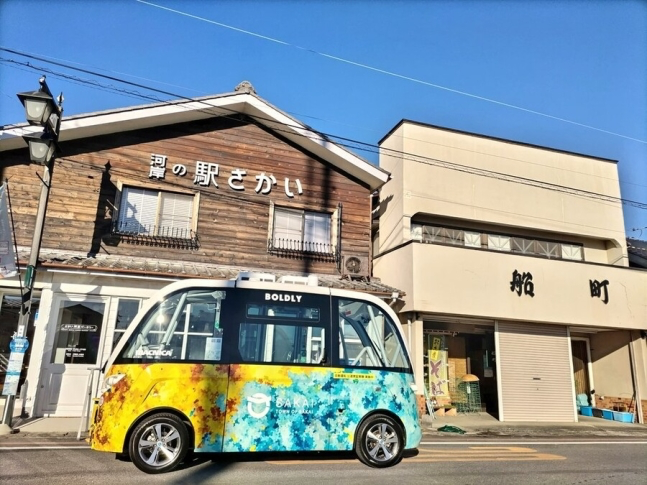
Sakaimachi, Ibaraki Prefecture, has been operating autonomous route buses on public roads for the first time in Japan since November 2020. Like Haneda Airport, operators get on the bus and respond to emergency situations. Sakaimachi is a small village with a population of about 24,000, and there is no railway station, so buses are an important means of public transportation. However, as it became difficult to find bus drivers due to the aging population, it decided to introduce self-driving buses. Currently, it operates daily on two routes, about 6km and 8km round trip.
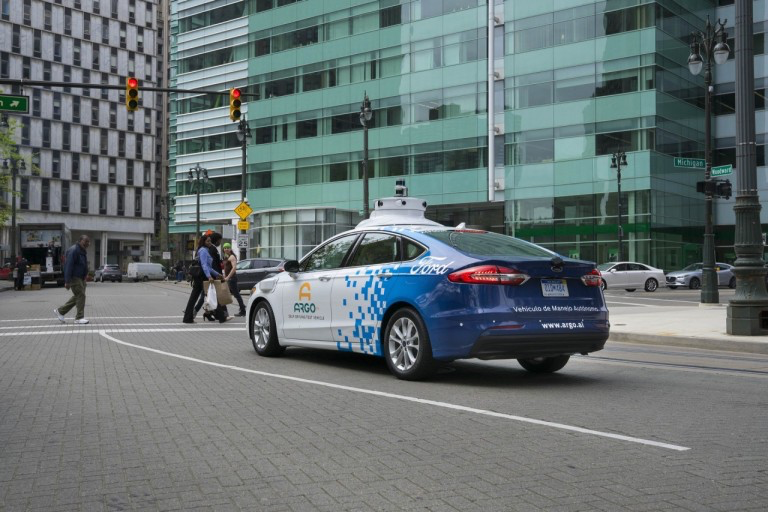
The Asahi Shimbun said, “There are many voices expecting autonomous driving in the provinces where the population is decreasing and the industry is concerned about the shortage of driver manpower.” Not only Japan but also countries around the world, including Korea, the United States, China, and Europe, are actively challenging to realize autonomous driving, a major technology in the future. According to data from the British automobile data analysis agency Confused Dotcom in February last year, the U.S. topped the list in self-driving car readiness. In February last year, the U.S. state of California approved the Robo Taxi (self-driving taxi) project on the condition that safety personnel are on board. Cruise, a subsidiary of General Motors (GM), and Waymo, an affiliate of Google, have already started robo-taxi services. Sakaimachi, Ibaraki Prefecture, has been operating autonomous route buses on public roads for the first time in Japan since November 2020. Following the U.S., Japan (2nd) was ahead in the autonomous driving field, followed by France (3rd), the U.K (4th), and Germany (5th). Korea ranks 16th. Patent applications ranked second, but received low scores in policy and legal and startup categories. Although there are still many tasks to be solved, “autonomous driving without drivers” is no longer a story of the distant future.
MIKE CHOI
ASIA JOURNAL

