


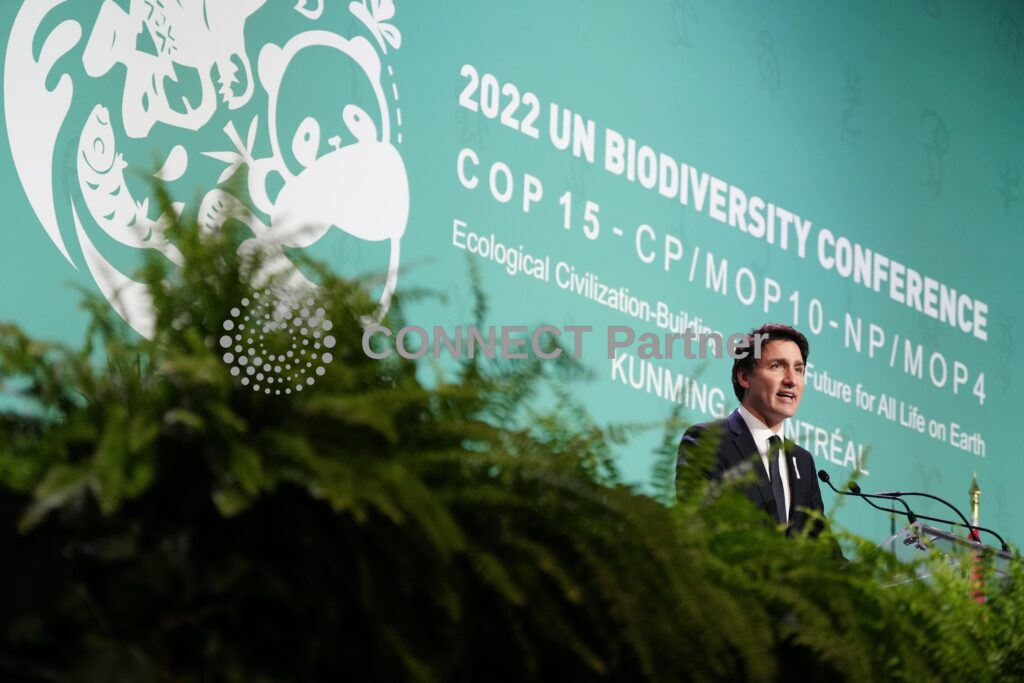
According to AFP, at the 15th Conference of Parties to the Convention on Biological Diversity (COP15) held in Montreal, Canada, 196 participating countries set 23 goals, including the so-called “30×30” plan to designate and manage 30% of the world’s land and sea as protected areas by 2030.
The goal was to provide at least $20 billion (about 26 trillion won) per year by 2025 and at least $30 billion (about 39 trillion won) per year by 2030 to protect developing countries and endangered species.
The agreement was signed after four years of intense negotiations. U.N. Secretary-General Antonio Guterres welcomed the agreement, saying, “We have finally signed a peace treaty with nature.” European Commission Chairman Urzula Ponderlaien also welcomed, saying, “It will be the foundation for global action on biodiversity that complements the Paris climate agreement.”
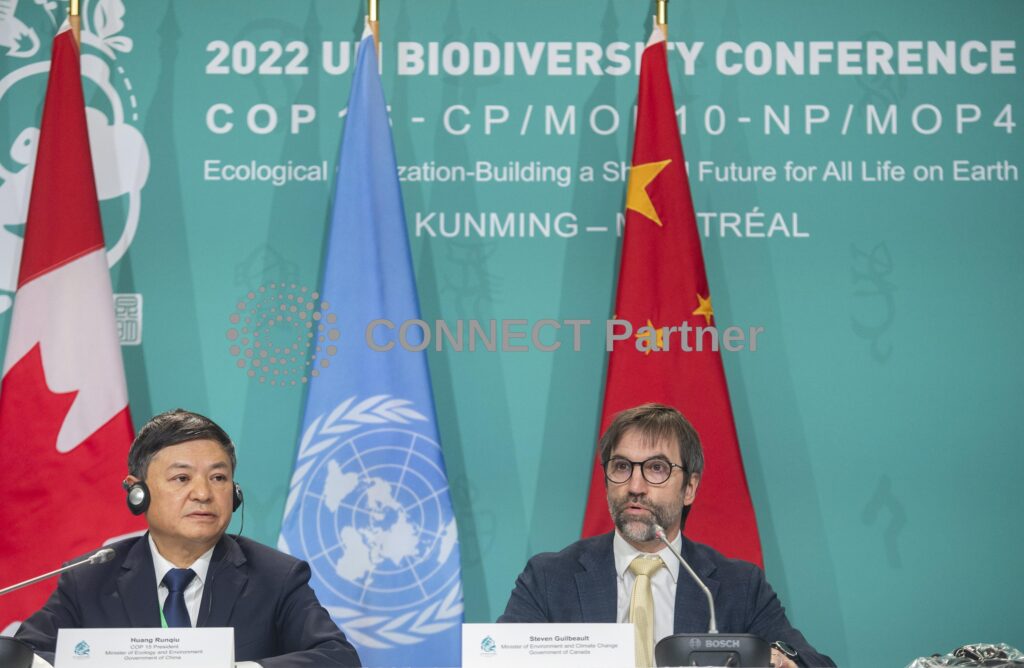
The U.S. also called the conclusion of the agreement a “turnover point” and noted that China played a big role in the conclusion of the agreement. The U.S. has failed to become a party to the Biodiversity Convention due to Republican opposition, but U.S. President Joe Biden supports the Convention and implements the 30×30 plan on its own.
However, there was noise until the settlement. The Democratic Republic of the Congo, which has a diverse biological basin, disagreed with the agreement, saying advanced countries should provide more funds, but Huang Lun-chu, chairman of the General Assembly, announced the conclusion regardless.

According to Reuters, other developing countries also expressed dissatisfaction with this decision-making process. Cameroon pointed out that the agreement was forced through, and Uganda also said it did not support the passage process. Latin American countries also expressed regret over the chairman’s unexpected declaration of a settlement.
Although large companies and financial institutions are required to report on biodiversity-related matters in terms of management and supply chains, it is also pointed out as a blind spot of the agreement.
Attention is also being paid to how much the agreed contents will be implemented. Reuters reported that not one case has been achieved even after 2020 when the Aichi biodiversity target adopted in 2010 was set as the deadline.
JENNIFER KIM
ASIA JOURNAL

