


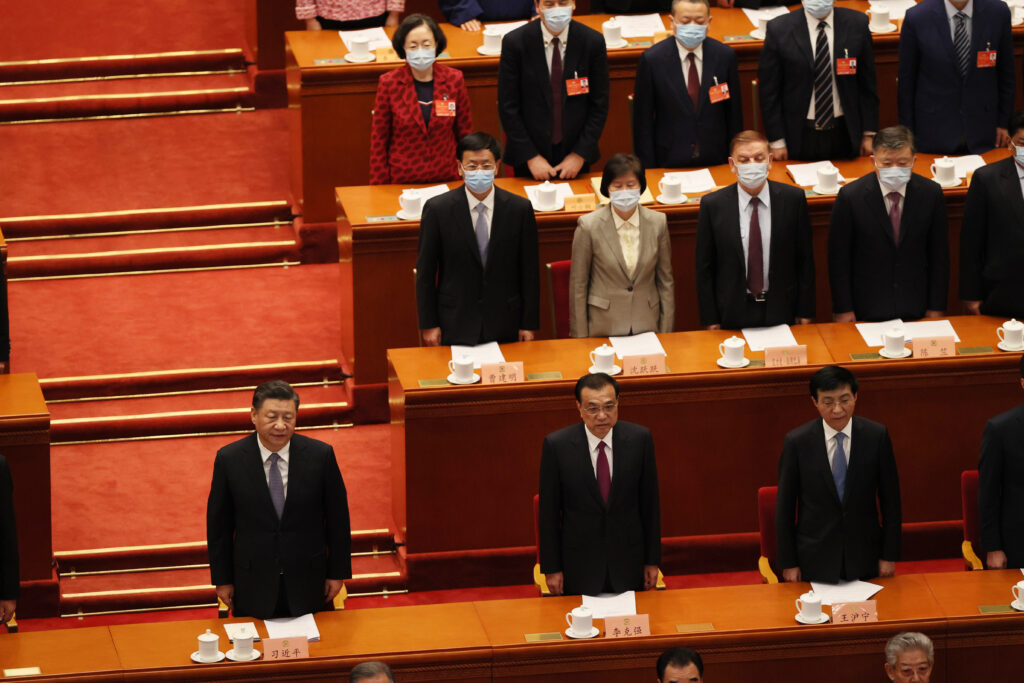
China(Reuters)China has entered the phase of the 20th Communist Party National Congress (Party Congress), which will determine the formation of the next leadership, including whether President Xi Jinping will serve three consecutive terms. Hong Kong media such as Myeongbo and South China Morning Post (SCMP), who are relatively familiar with the news of Chinese political prices hidden in the “Bamboo Curtain,” have recently been pouring out expected articles on the party’s competition every day. Beijing diplomats are paying keen attention to the movements of Chinese leaders.
The party convention is the biggest political event of the Chinese Communist Party held every five years. The 20th party congress was decided to be held in the second half of this year at the sixth plenary session of the party’s 19th Central Committee in November last year, and the detailed schedule has yet to be announced. In the past, party competitions were mainly held from October to November, and Hong Kong media have predicted that they will be held in mid-to-late October after the National Day holiday (early October) this year, just like the 19th.
Indonesian President Joko Widodo’s recent remarks that Xi will attend the G20 summit in Bali from Nov. 15-16, also bolstered rumors that the party will host the event in October. It is expected that President Xi will visit Southeast Asia for the first overseas visit since the full-fledged spread of COVID-19 in early 2020 after completing the party’s tournament schedule in October.
In light of precedent, if the party convention is held in October, it is expected that the “proposal” regarding the schedule of the 7th plenary session of the 19th Central Committee to prepare for the convention and the timing of the convention will be announced within August. The biggest point to watch for the upcoming party competition is whether President Xi will be reappointed.
Most observers expect Xi to extend his reign by staying in the party’s general office unless there is an unexpected change. This means that the term of the supreme leader, who seemed to settle for 10 years after the reign of former presidents Jiang Zemin and Hu Jintao, will be extended to at least 15 years this time. President Xi’s attempt to challenge the U.S. under the banner of the Chinese dream and to break through the side effects of reform and opening with “joint wealth” while burning the will for unification of Taiwan is widely expected to add strength with his extension of power.
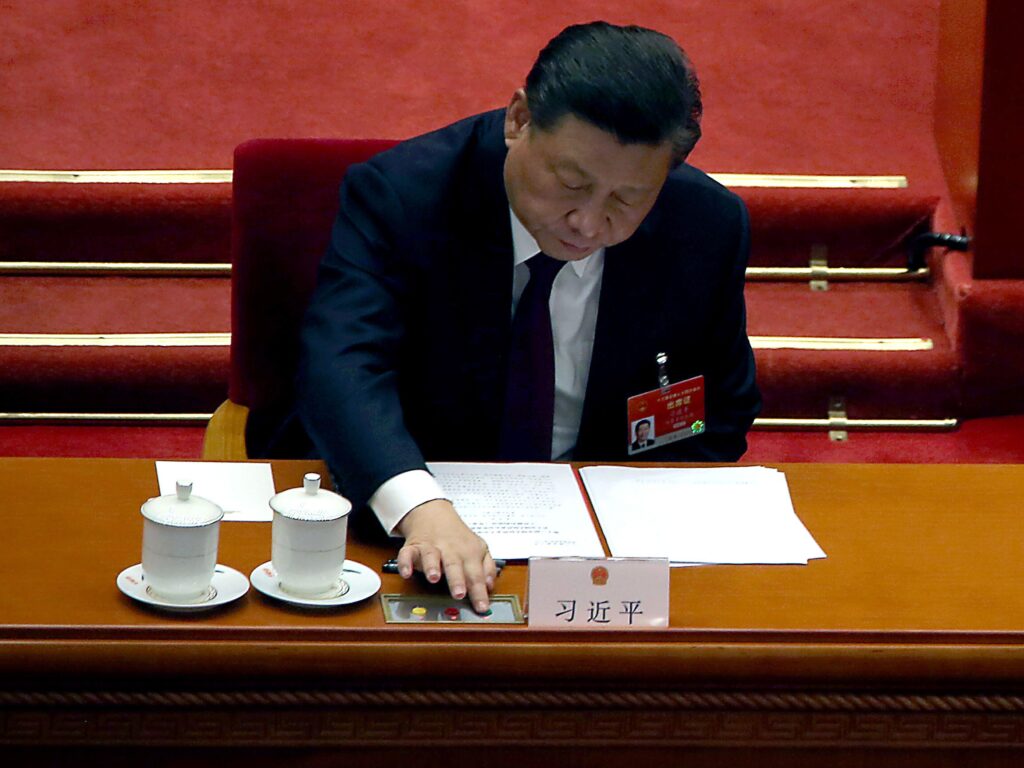
China(Reuters)Xi has been in power for about 10 years to date when he was elected as party general secretary at the 18th party congress in 2012. With the revision of the 2018 Constitution, the legal obstacles to the extension of power have already been removed by removing the ban on the third term of the state’s presidential term (five years, 15 years each term).
Another concern is how large the reform will take place in the top leadership (the Standing Committee of the Central Political Bureau of the Communist Party). Currently, there are seven members of the Politburo Standing Committee, including Xi, Premier Li Keqiang, Chairman of the National People’s Congress, Wang Yang of the National People’s Political Consultative Conference, Wang Huning, Central Secretary of the Communist Party, Zhao Luge, and Deputy Prime Minister Han Jung-han.
If the customary seven-phase-eight-year-old will remain in office and 68-year-old will retire, it is widely expected that among the Politburo Standing Committee members, Xi (69), Ri Jan-soo (72), and Han Jung (68) will reach the retirement age, but Xi will remain in office and the other two will step down. In this situation, attention is being paid to who will newly enter the Politburo Standing Committee, how Xi’s close aides, Shanghai-based political and business connections, and the public hearing (communist youth corps) will divide their positions.
In particular, Hong Kong media and others are talking about whether Premier Li Keqiang, the “second-in-command” who will fill a 10-year term (second term) in accordance with the regulations and step down as prime minister in March next year, will remain on the Standing Committee and who will succeed him.
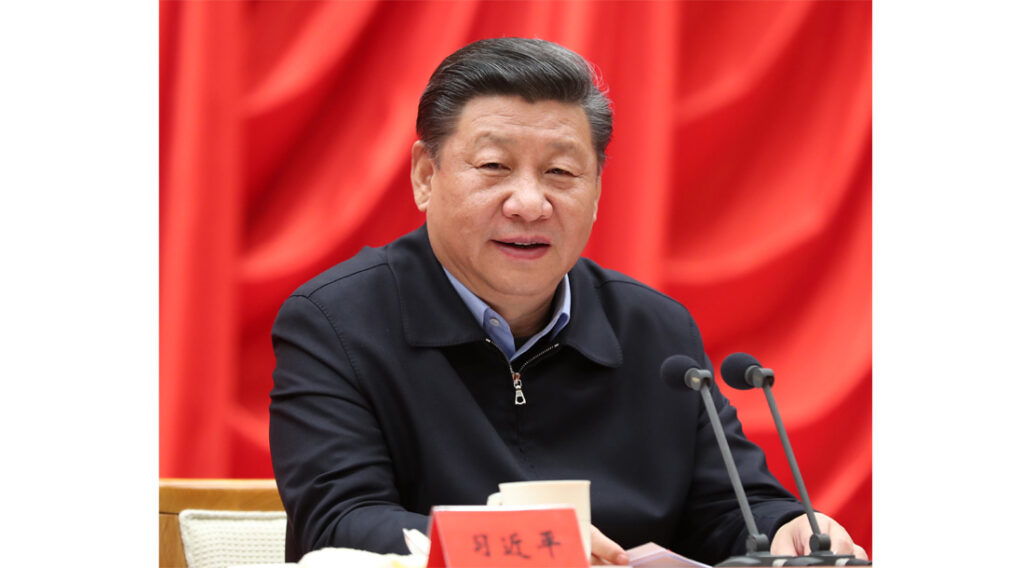
(Source from Reuters/Alamy)In this regard, until last year, many predicted that President Xi would not only keep his position as the top leader, but also that the pro-Xi Jinping color would become thicker than now in the personnel composition of the Commerce Commission.
However, speculation has recently been raised that the party’s “other voices” that have gained opportunities to vent due to the two-month blockade in Shanghai following the spread of COVID-19 and the economy that seems difficult to achieve its target of 5.5%.
In this context, attention is being paid to whether Prime Minister Li Keqiang, who is a left-handed member of the public opinion faction with a different political background from Xi, and President Wang Yang, who is classified as the same public opinion faction, will maintain their position as a “shock-in-jae” to absorb differences over Xi’s extension of power.Another important point to watch is whether Deputy Prime Minister Hu Chun-hwa, Central Pan-Communist Director Ding Xiexiang, who is considered a close group of Xi’s aides, and Chongqing Party Secretary Chen Min-eul will advance to the Standing Committee.
In light of precedent, a list of 200 party central committee members to be unveiled on the last day of the party’s competition will reveal the number of people to step down from the current top leadership, and the candidate group to fill the position will be outlined.
In addition, the first plenary session of the 20th Central Committee, which is expected to be held the day after the closing day of the party convention, will reveal the members of the Politburo Standing Committee, their rank, and their positions.
KS CHOI
ASIA JOURNAL

