


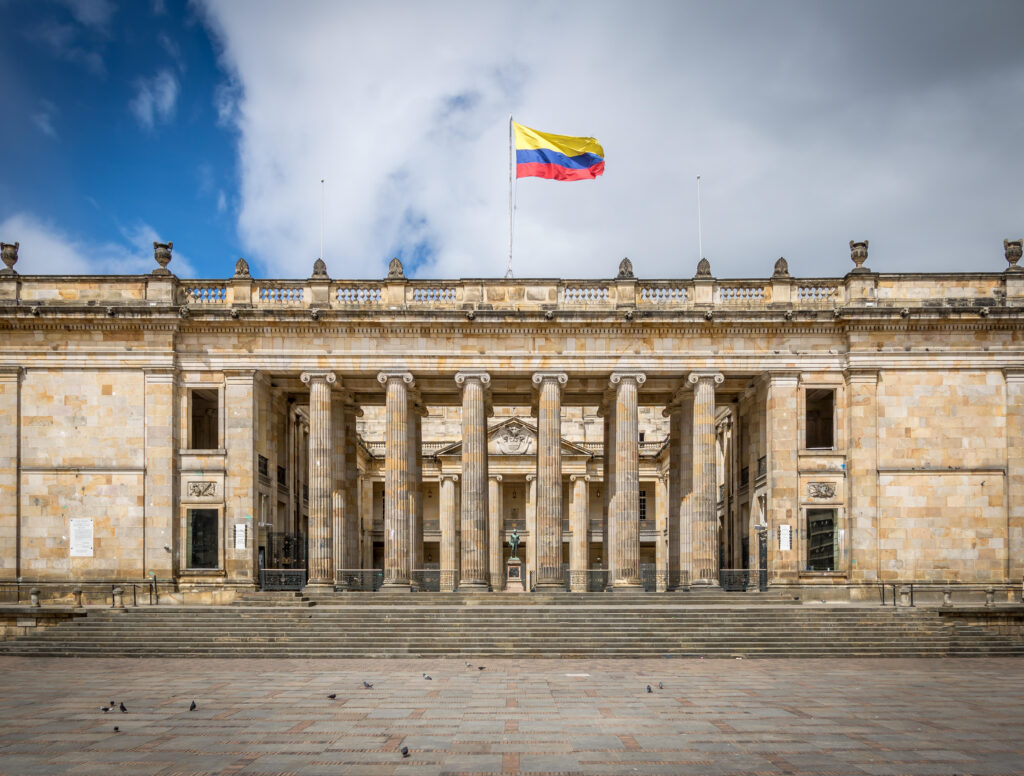
(Source from Reuters/Alamy)The U.S. has publicly opposed the new government’s first policy of drug decriminalization, raising concerns that differences between the two countries could lead to international conflict on the 22nd (local time).
President Gustavo Petro, who established Colombia’s first leftist government, is seeking to legalize drug trade such as cannabis and cocaine with the government’s top priority. The move is aimed at helping livelihood cocaine growers and preventing illegal funds flowing into drug cartels by switching to legally trade drugs in public markets under government regulations.
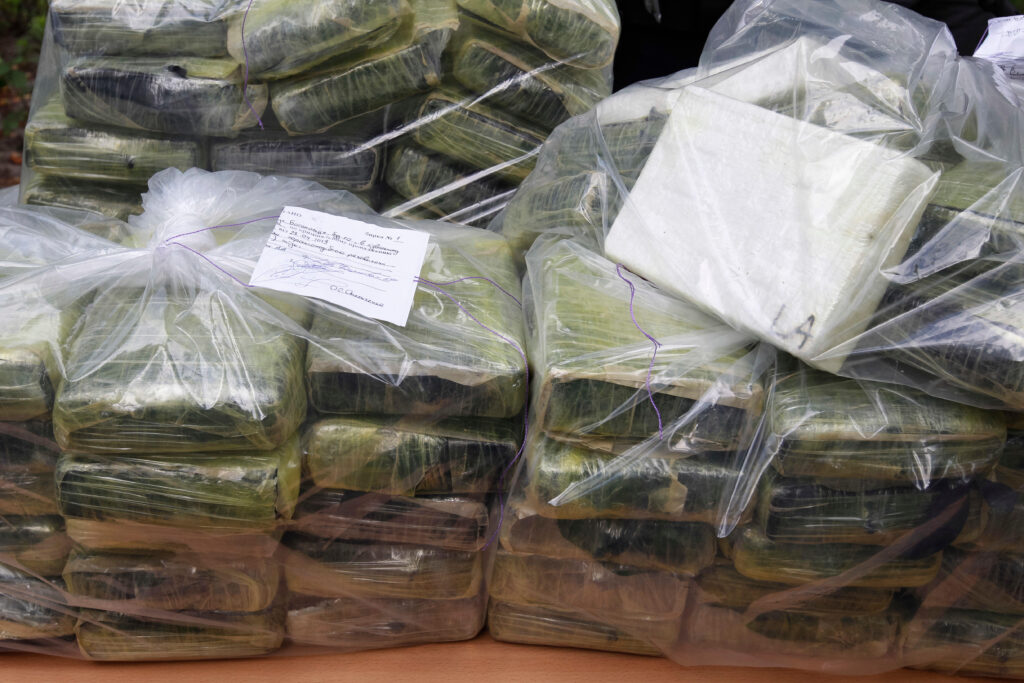
(Source from Reuters/Alamy)According to the U.S. Washington Post (WP), President Petro proposed the introduction of a government-regulated drug trade market at the last inauguration ceremony, saying, “It is time for a new international agreement to admit that drugs and wars have failed.” He ultimately urged South American countries beyond their own countries to cooperate to realize drug decriminalization.
“If the government regulates the sale of cocaine, it will take the market away from militants and cartels,” said Felipe Tascon, head of the government’s drug policy. “If we regulate it like the public market, high profits from drug sales will disappear and trafficking will disappear.”
At the same time, he expressed his intention to contact officials from each country, saying, “We want to discuss the de-crime of drugs at a regional level.” Ultimately, the Felipe government said it hopes to renegotiate international drug-related negotiations at the United Nations beyond South America.
However, as the U.S. officially expresses its opposition, it remains to be seen whether it will be able to win international support. “The U.S. does not support legalization of drugs,” U.S. Deputy National Security Secretary Jonathan Fire said before Petro’s inauguration. “The legalization of cocaine trade will not eliminate illegal trafficking,” said Jim Crotty, former deputy director of the DEA. “Someone has always existed to fill the gap.”
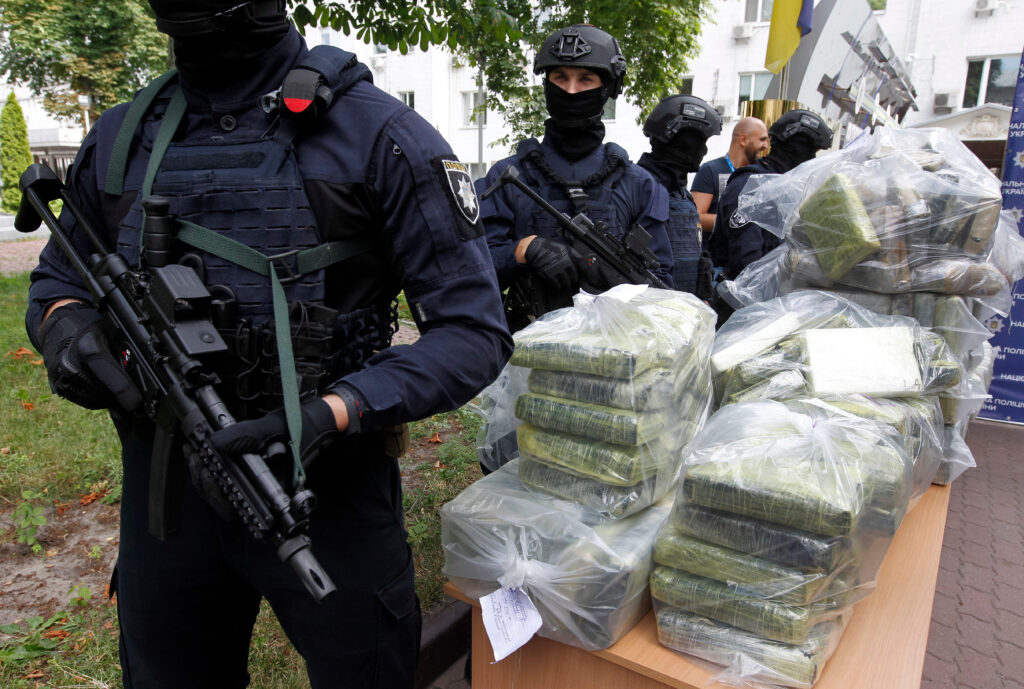
(Source from Reuters/Alamy)The United States is the biggest client of the Colombian drug cartel. Ninety percent of cocaine distributed in the United States is Colombian. Last year, about 25,000 people died from drug overdoses. The U.S. government, which has been plagued by drug problems, is firmly opposed to the cultivation of drugs. The U.S. delegation, including the Assistant Secretary of State for International Drug and Law Enforcement under the U.S. State Department and the Director of the National Drug Control Policy Bureau, is expected to visit Colombia next week.
Meanwhile, Colombia is the world’s largest producer of drugs, and the size of drug-related cartels and armed groups in Korea is considerable. They were the main culprits of various crimes such as shootings and riots in the process of illegal drug trading, and the previous governments have launched “drug sweep operations,” but have repeatedly failed. Rather, as the cartel retaliated against the government, innocent civilian victims continued. According to WP, 456,666 people have been killed and 121,768 have been missing due to disputes between the government and cartels over the past 50 years.
EJ SONG
ASIA JOURNAL

